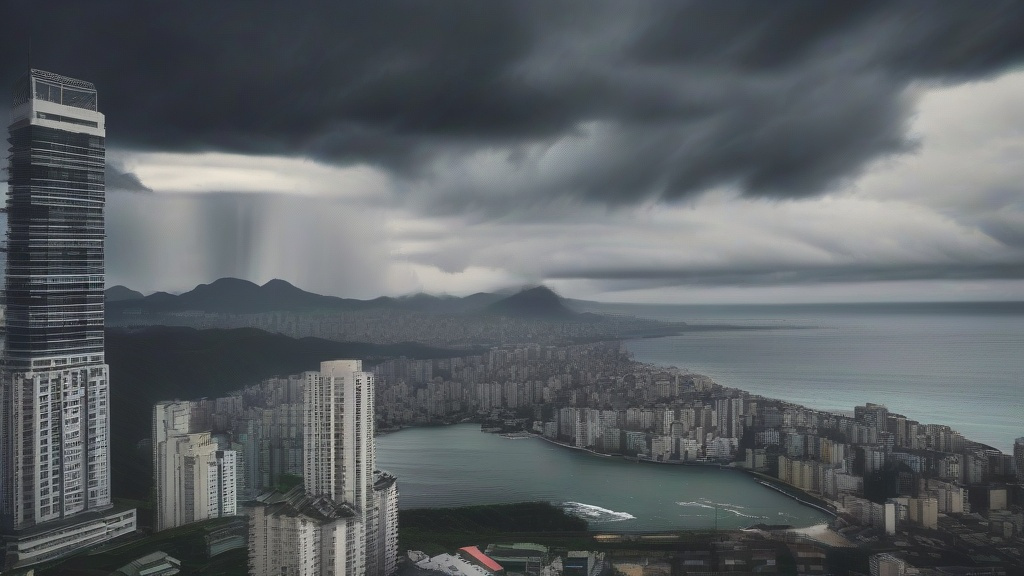
The boundary between winter's snow and spring's rain is dissolving. Across the Northern Hemisphere, communities that once relied on predictable snowfall patterns now face erratic precipitation - from sudden mid-winter rainstorms to late-season snow dumps. These weather anomalies aren't random; they're symptoms of a climate system in flux. As global temperatures rise, the very nature of precipitation is changing, with profound implications for ecosystems, infrastructure, and human societies.
The transformation is most visible in mountainous regions where snowpack serves as nature's water reservoir. In the Rocky Mountains, for example, scientists have documented a 20% decline in snowfall since the 1950s, with rain increasingly replacing snow even at high elevations. This shift isn't merely aesthetic - it disrupts water management systems designed for gradual snowmelt, forcing communities to confront new realities of flooding and drought.
The Science of Melting Snowflakes
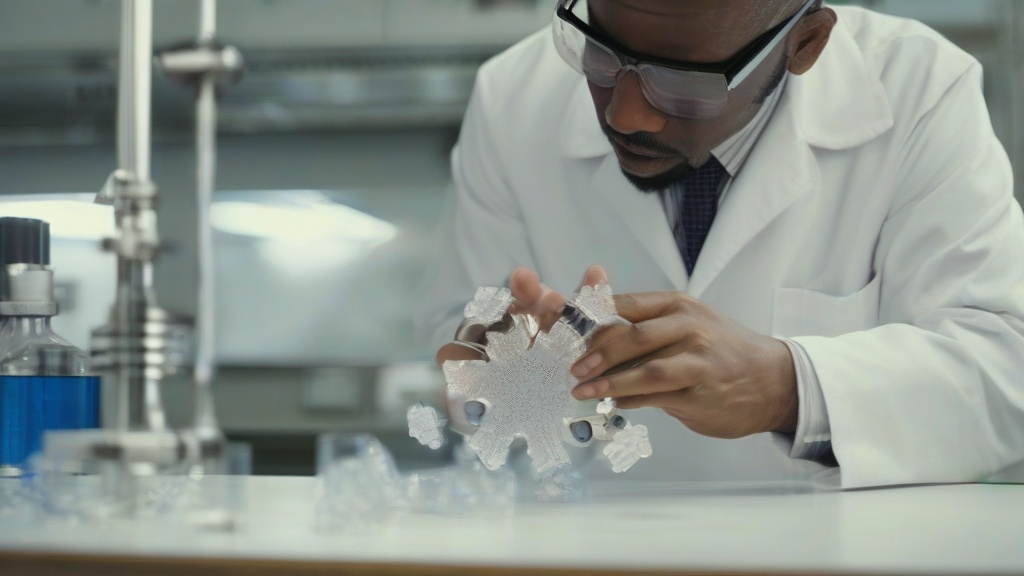
To understand this precipitation revolution, we must examine the atmospheric physics at play. Snow formation requires specific conditions: temperatures below freezing from cloud level to ground, and sufficient moisture to sustain ice crystal growth. As the atmosphere warms, these conditions become rarer. Even when temperatures briefly dip below freezing, warmer air aloft can cause snowflakes to melt into raindrops before reaching the surface.
Meteorologists use the term 'wet bulb temperature' to explain this phenomenon. When air temperatures hover near freezing but humidity is high, the cooling effect of evaporation prevents snow from accumulating. This explains why many regions now experience 'wintry mix' events - a chaotic blend of snow, sleet, and rain that challenges forecasters and commuters alike.
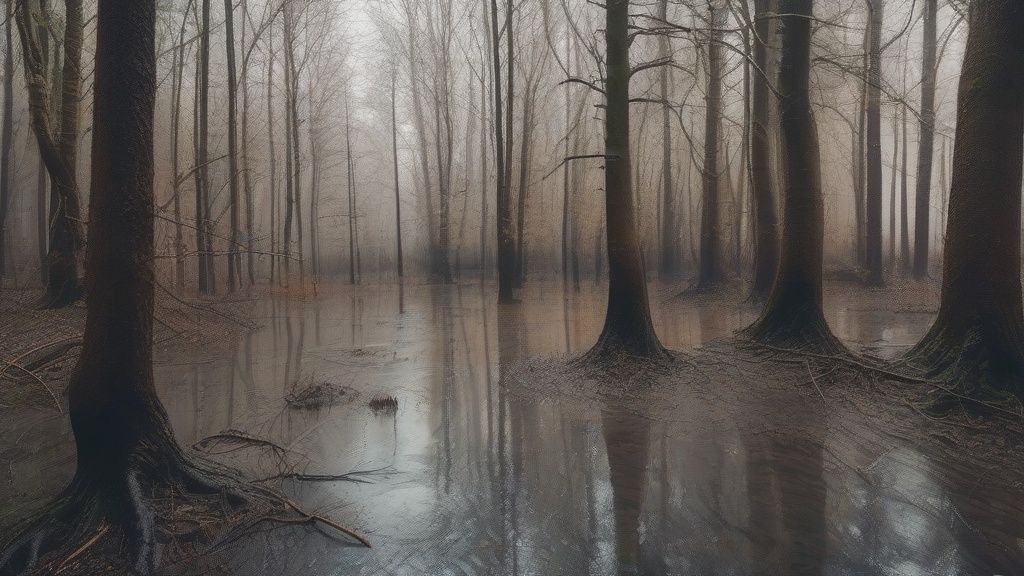
The implications extend beyond weather reports. In agricultural regions, reduced snow cover exposes soil to freeze-thaw cycles that damage plant roots. In urban areas, rain-on-snow events create instant flooding when storm drains can't handle the rapid runoff. These changes demand new approaches to infrastructure design and emergency preparedness.
Rainy Days in Winter's Clothing
The most striking manifestation of this climate shift occurs in traditionally snowy locales now experiencing rain in winter. In Fairbanks, Alaska, for instance, the number of rainy days in December and January has tripled since 1950. Similar patterns appear across Scandinavia, Canada, and Japan's Snow Country - regions where winter rain was once a rarity.
This precipitation phase change carries ecological consequences. Moose in northern forests face malnutrition as rain-soaked winter forage rots beneath melting snowpacks. Avian migrants arrive to find insect hatches synchronized with rain rather than snowmelt, disrupting food chains. Even the iconic Japanese snow monkeys, who depend on deep snow for insulation, now face shorter winter foraging seasons.
Human activities face disruption too. Ski resorts invest millions in snowmaking equipment to compensate for unreliable natural snow. Indigenous Arctic communities report that frozen rivers, once reliable winter transportation routes, now turn to slush weeks earlier than traditional travel seasons. These changes aren't abstract climate projections - they're daily realities for millions worldwide.
Adapting to the New Precipitation Paradigm
Communities are responding with innovative adaptation strategies. In Switzerland, hydroelectric operators now use weather forecasting models that account for rain-on-snow risks when managing reservoir levels. The city of Oslo has redesigned its stormwater system to handle both melting snow and intense winter rainstorms.
Agricultural adaptation takes multiple forms. Some farmers in Vermont now plant winter cover crops that tolerate both snow cover and mid-winter rain. In Hokkaido, rice growers have shifted planting schedules to align with earlier snowmelt patterns. These adjustments represent microcosms of the broader systemic changes needed across all sectors.
Individual actions also matter. Homeowners in snowy regions are rethinking roof designs to handle heavier rain loads. Municipalities are expanding green infrastructure projects that absorb excess precipitation year-round. Even something as simple as choosing winter tires designed for variable conditions reflects this new precipitation reality.
The precipitation revolution demands both immediate adaptation and long-term mitigation. While communities adjust to today's rain-snow blend, global efforts to reduce greenhouse gas emissions remain essential to prevent even more dramatic shifts. The weather we experience tomorrow depends on choices made today - choices that will determine whether future generations know snow primarily through stories or through firsthand experience.