The planet is heating up at an alarming rate. Cities choke under thick layers of smog, heatwaves shatter records, and wildfires rage with unprecedented ferocity. Climate change is no longer a distant threat—it’s reshaping daily life. Yet amid this crisis, artificial intelligence (AI) is emerging as a powerful ally. From predicting extreme weather to optimizing renewable energy, AI is transforming how humanity confronts environmental disasters. This article explores three critical fronts where AI is making a difference: combating heatwaves, clearing the air of pollution, and redefining sustainability.
AI-Powered Forecasting: Outsmarting Deadly Heatwaves
Extreme heat kills more people annually than any other weather-related disaster. In 2023, Phoenix, Arizona, endured 31 consecutive days above 110°F (43°C), straining hospitals and power grids. Traditional weather models struggle to predict such prolonged events, but AI is changing the game. Machine learning algorithms analyze vast datasets—satellite imagery, ocean temperatures, atmospheric pressure, and urban heat island effects—to identify patterns invisible to humans.
For instance, Google’s DeepMind collaborated with meteorologists to develop an AI system that improves heatwave predictions by 20%. By processing real-time data from 100,000+ weather stations, the model forecasts not just temperature spikes but also humidity levels and wind patterns, which determine how heat affects human health. Cities like Los Angeles now use AI to map “heat vulnerability indexes,” prioritizing cooling centers in neighborhoods with elderly populations or limited tree cover.
AI also optimizes energy grids during heatwaves. Smart algorithms adjust electricity distribution to prevent blackouts, while predictive maintenance tools identify failing infrastructure before failures occur. In Delhi, where summer temperatures routinely exceed 104°F (40°C), AI-driven demand-response systems reduce peak energy consumption by 15%, easing strain on coal-fired plants and lowering carbon emissions.

Fighting the Invisible Enemy: AI vs. Air Pollution
Foggy skylines and coughing commuters are symbols of a silent killer: air pollution. Particulate matter (PM2.5) from vehicles, factories, and wildfires causes 7 million premature deaths yearly. Traditional air quality monitors are sparse and slow, but AI-powered sensors are creating dense networks of real-time data.
Startups like Clarity Movement Co. deploy low-cost, solar-powered sensors that upload pollution data to the cloud every minute. Machine learning models correlate this data with traffic patterns, construction activity, and weather conditions to pinpoint pollution sources. In Beijing, an AI system called “Blue Sky” predicts smog episodes 72 hours in advance, enabling authorities to restrict industrial activity or divert traffic before levels become hazardous.
AI also tackles pollution at the source. In Singapore, drones equipped with computer vision inspect ships for sulphur oxide emissions, a major contributor to coastal haze. In India, an AI platform called “Project O2” analyzes satellite imagery to identify crop burning—a key driver of Delhi’s winter smog—and alerts farmers to alternative disposal methods. Meanwhile, companies like IBM use AI to optimize supply chains, reducing fuel consumption and emissions from global shipping.
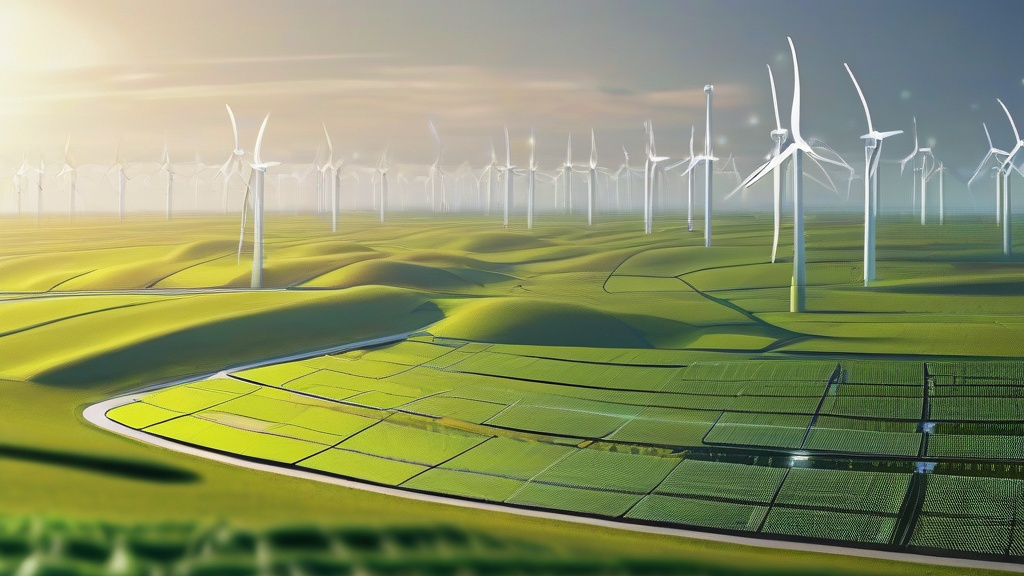
Building a Sustainable Future: AI for Renewable Energy and Resilience
To curb climate change, the world must transition to renewables. But solar and wind power face intermittency challenges—the sun doesn’t always shine, and the wind doesn’t always blow. AI solves this by forecasting energy production and balancing grids in real time.
Google’s DeepMind trained a neural network on 700 wind farms in the U.S., predicting output 36 hours ahead with 90% accuracy. This allows utilities to sell excess energy or store it in batteries, maximizing efficiency. In Germany, AI-driven virtual power plants aggregate rooftop solar panels and home batteries, creating decentralized grids that withstand outages better than centralized systems.
AI also accelerates material science for clean tech. Researchers at MIT used AI to discover a new catalyst for hydrogen fuel cells, slashing production costs. In California, AI optimizes water usage in almond farms—a crop notorious for its thirst—by analyzing soil moisture, weather forecasts, and crop health data. Even carbon capture is getting an AI boost: startups like Climeworks use machine learning to design more efficient filters for pulling CO2 from the air.
The fight against climate change demands innovation at scale. AI isn’t a silver bullet, but it’s a critical tool for modeling complex systems, optimizing resources, and empowering communities. As heatwaves, smog, and storms worsen, humanity’s best hope may lie in merging human ingenuity with machine intelligence.