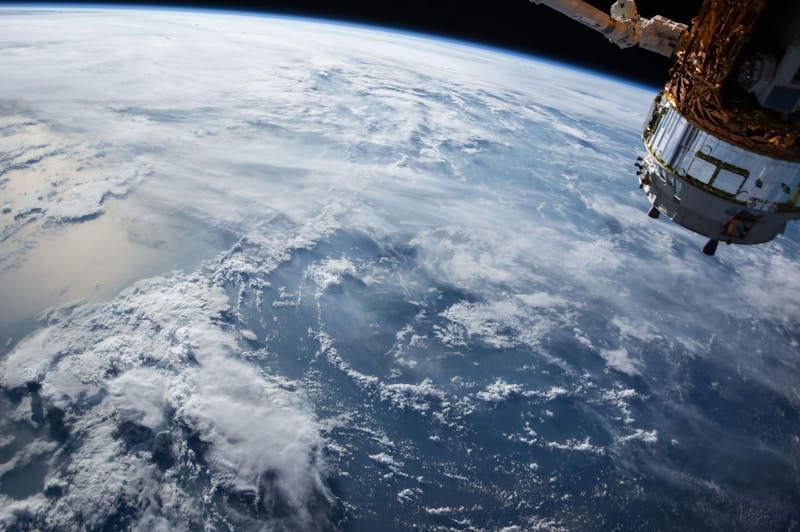
The Rising Threat: Extreme Weather in the AI Era
Climate change has amplified the frequency and intensity of extreme weather events worldwide. Hurricanes, floods, wildfires, and heatwaves now disrupt ecosystems and human societies with unprecedented force. Traditional meteorological methods, while valuable, often struggle with the complexity and unpredictability of these phenomena. Enter artificial intelligence (AI)—a game-changer in weather disaster preparedness and response.
AI systems excel at processing vast datasets from satellites, weather stations, ocean buoys, and social media. Machine learning algorithms detect patterns invisible to human analysts, enabling earlier warnings and more precise forecasts. For instance, Google's GraphCast model predicts hurricane paths 24 hours faster than conventional methods, buying critical time for evacuations. Similarly, IBM's Global High-Resolution Atmospheric Forecasting System (GRAF) leverages AI to generate hyperlocal weather models, identifying microclimates prone to sudden storms.
The integration of AI with IoT sensors creates 'smart disaster networks.' These systems monitor atmospheric pressure, humidity, and seismic activity in real time, triggering automated alerts when thresholds are breached. In flood-prone regions like Bangladesh, AI-powered flood prediction tools combine river gauges with satellite imagery to map inundation risks, helping communities relocate before waters rise.
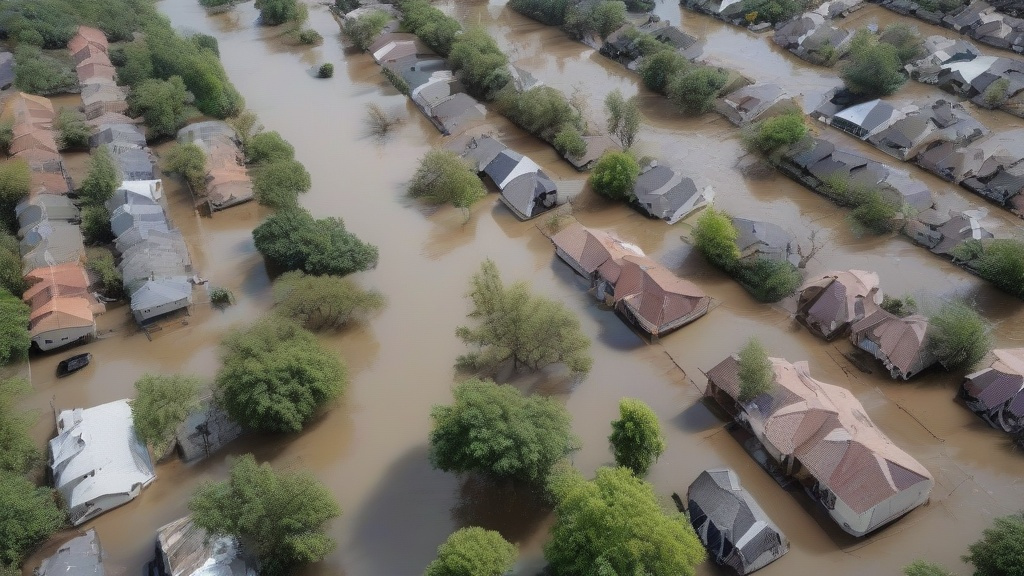
AI in Action: Real-Time Monitoring and Rapid Response
During disasters, AI shifts from prediction to action. Drones equipped with computer vision scan affected areas, assessing damage to infrastructure and identifying survivors. Startups like One Concern use AI to prioritize rescue efforts by analyzing building structures, population density, and hazard exposure. Their platform simulated the 2023 Turkey-Syria earthquake's impact hours before it struck, guiding first responders to high-risk zones.
Communication breakdowns often exacerbate crises. AI-driven chatbots and multilingual translation tools bridge language barriers, disseminating evacuation orders and safety guidelines via SMS, social media, and community radios. In Puerto Rico after Hurricane Maria, AI bots answered 1.2 million queries in Spanish and English, directing residents to shelters and clean water sources.
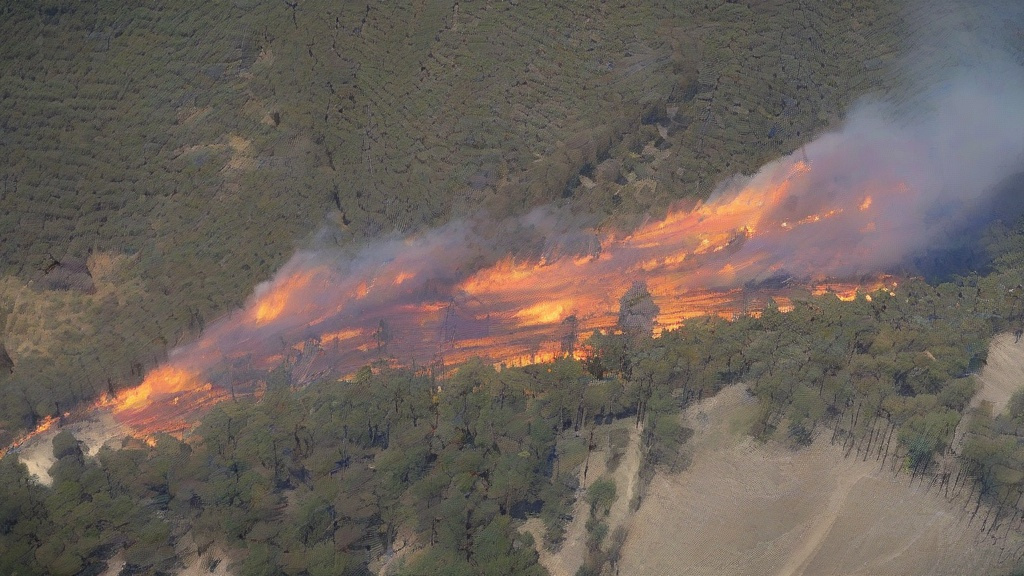
Post-disaster recovery also benefits from AI. Satellite imagery analysis tracks deforestation, erosion, and urban sprawl, informing rebuilding strategies that prioritize resilience. For example, after California's 2020 wildfires, AI models evaluated burn scars to predict landslide risks, guiding safe reconstruction zones.
The Future: Adaptive AI Systems for Climate Resilience
The next frontier lies in adaptive AI—systems that learn from each disaster to improve future responses. Researchers at MIT are developing 'self-healing' AI grids that reroute power during storms, minimizing outages. Meanwhile, the European Space Agency's AI4Copernicus project uses reinforcement learning to optimize flood barriers based on historical data and live weather feeds.
Ethical considerations remain crucial. AI models must avoid biases, such as underestimating risks in low-income neighborhoods due to sparse sensor data. Transparency in algorithmic decision-making is vital to maintain public trust. Initiatives like the Partnership on AI's Climate Resilience Working Group aim to standardize ethical frameworks for disaster-related AI.
Collaboration between governments, tech firms, and local communities is key. Open-source platforms like Climate TRACE, which uses AI to track greenhouse gas emissions, demonstrate the power of collective intelligence. By democratizing access to AI tools, even resource-limited regions can build climate resilience.
As extreme weather becomes the norm, AI offers a beacon of hope. Its ability to analyze, adapt, and act under pressure transforms how we confront nature's fury. The fusion of human ingenuity and machine precision may yet turn the tide against climate disasters.