The summer of 2023 shattered global temperature records as heatwaves engulfed North America, Europe, and Asia. Cities like Phoenix, Arizona, endured 31 consecutive days above 110°F (43°C), while southern Europe baked under scorching conditions that fueled deadly wildfires. These extreme events are not isolated anomalies but symptomatic of a rapidly warming planet. Climate scientists warn that human-induced greenhouse gas emissions have altered atmospheric circulation patterns, creating feedback loops that amplify heat extremes.
The Intergovernmental Panel on Climate Change (IPCC) reports that average global temperatures have risen 1.1°C since pre-industrial times, with the last eight years being the hottest on record. This warming directly correlates with increased frequency and intensity of heatwaves. A 2022 study in Nature Climate Change found that climate change made the 2021 Pacific Northwest heat dome—which killed nearly 600 people—150 times more likely. Such events reveal a disturbing truth: our infrastructure, health systems, and ecosystems are ill-prepared for the new climate reality.
The Science Behind Scorching Summers
Heatwaves occur when high-pressure systems trap hot air masses over regions for extended periods. Climate change intensifies this phenomenon through three primary mechanisms. First, warmer air holds more moisture, but in arid regions, this manifests as dry heat that exacerbates drought conditions. Second, melting Arctic sea ice disrupts the polar jet stream, causing it to meander and trap hot air in place. Third, land surface changes from urbanization and deforestation reduce natural cooling processes.
The urban heat island effect compounds these challenges. Cities with concrete jungles and minimal green spaces can be 5-10°F hotter than surrounding rural areas. During the 2023 European heatwave, Parisian temperatures soared 9°F above regional averages due to this phenomenon. Vulnerable populations—the elderly, outdoor workers, and low-income communities without air conditioning—face disproportionate risks. In India's 2022 heatwave, manual laborers suffered 30% higher mortality rates during peak heat hours.

Cascading Impacts on Ecosystems and Society
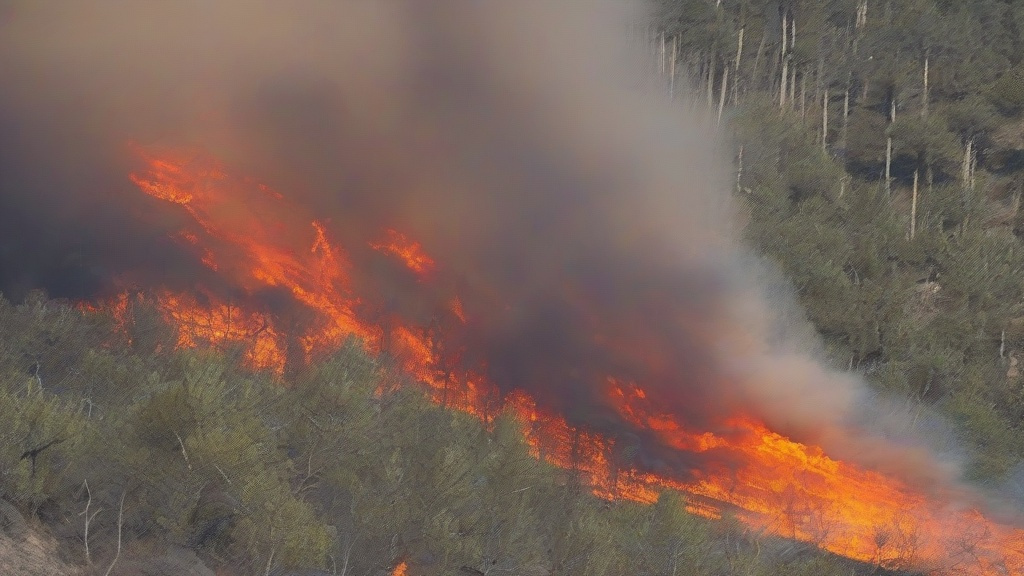
Extreme heat triggers cascading environmental crises. Prolonged high temperatures stress forests, making them more susceptible to pests and wildfires. The 2023 Canadian wildfire season burned 45 million acres—an area larger than California—releasing 2.9 billion tons of CO2. This not only accelerates warming but also destroys critical carbon sinks. Marine ecosystems face similar threats: coral reefs experience mass bleaching above 30°C, while ocean heatwaves disrupt fisheries that millions depend on for food security.
Human health systems strain under heat stress. A 2023 Lancet study projected that by 2050, heat-related deaths could increase 4.7-fold globally. Heat exhaustion and heatstroke cases surge during prolonged events, overwhelming emergency rooms. Agricultural sectors suffer catastrophic losses—Europe's 2022 drought caused €15 billion in crop damages. Water scarcity follows as reservoirs evaporate; in 2023, the Colorado River system hit its lowest levels in 1,200 years, forcing mandatory water cuts across seven U.S. states.
Building Resilience in a Warming World
Adaptation strategies must combine immediate action with long-term planning. Cities are implementing cool roofing initiatives—reflective coatings that reduce building temperatures by 5-10°F. Barcelona's 'Superblocks' model reclaims street space for trees and parks, lowering neighborhood temperatures by 4°F. Early warning systems prove critical: Japan's heat index forecasts, which combine temperature and humidity, reduced heatstroke cases by 30% after their 2021 implementation.
Policy shifts are equally vital. The European Union's 2023 Climate Adaptation Strategy mandates heat action plans for all member states, including public cooling centers and workplace heat standards. Innovative financing models emerge, like Mexico City's 'Cool Roofs Subsidy' that helps low-income residents install reflective materials. At the community level, traditional knowledge offers solutions: India's ancient stepwell systems are being revived to store water and provide communal cooling spaces.
Ultimately, mitigating extreme heat requires aggressive decarbonization. The IPCC stresses that limiting warming to 1.5°C demands global CO2 emissions peak by 2025 and decline 43% by 2030. This transition offers co-benefits: renewable energy projects in Chile's Atacama Desert now power air conditioning for 1.2 million people while reducing fossil fuel dependence. As temperatures continue to rise, the choice becomes clear: transform our relationship with the planet or face increasingly uninhabitable summers.