The planet's climate system is undergoing unprecedented transformations, with extreme weather events becoming more frequent, intense, and unpredictable. Four phenomena—typhoons, thunderstorms, cold waves, and heatwaves—now exhibit altered behaviors linked directly to human-induced climate change. This article examines the scientific mechanisms behind these shifts and their cascading impacts on ecosystems, infrastructure, and human societies.
Typhoons: Stronger Storms in a Warmer Ocean
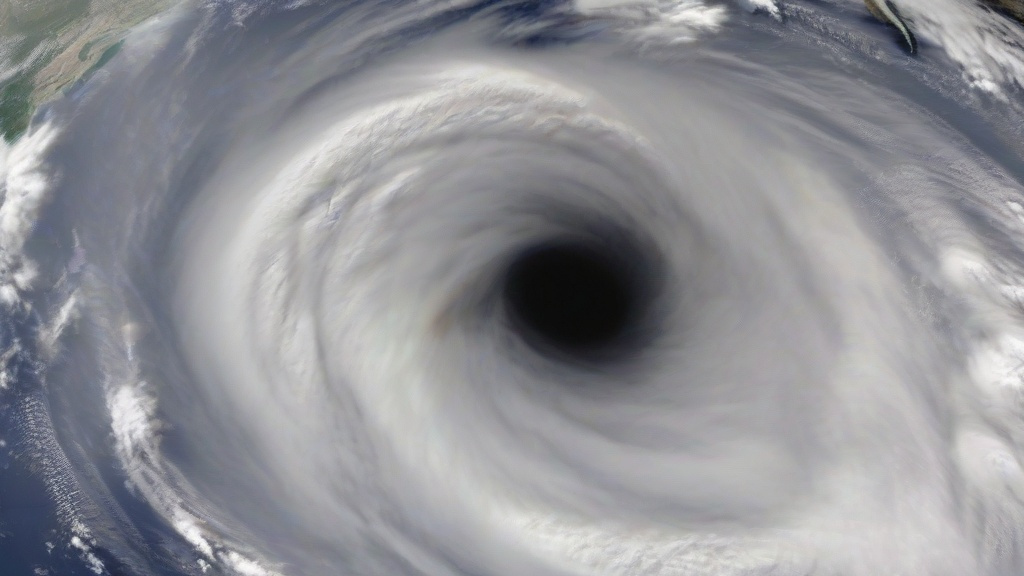
Typhoons, the Pacific Ocean's equivalent of hurricanes, derive their energy from warm sea surface temperatures. Climate change has heated oceans by approximately 1.1°C since pre-industrial times, creating ideal conditions for storm intensification. Research indicates that for every 1°C increase in ocean temperature, a typhoon's maximum wind speed can rise by 5-10%, while its rainfall rate may double.
The 2023 Super Typhoon Haiyan exemplifies this trend. Forming over abnormally warm waters near the Philippines, it achieved sustained winds of 315 km/h—the strongest landfalling storm on record. Warmer oceans also extend typhoon seasons, with storms now forming earlier in spring and persisting later into autumn. This elongation increases coastal communities' exposure to compound risks, particularly when typhoons interact with other hazards like storm surges and landslides.
Satellite data reveals another concerning pattern: typhoons now maintain their intensity longer after landfall. Previously, storms would rapidly weaken over land due to loss of oceanic energy. However, warmer atmospheric temperatures provide additional moisture, allowing systems like Typhoon Merbok (2022) to travel hundreds of kilometers inland while maintaining destructive winds and heavy rainfall.
Thunderstorms: Electrical Fury Amplified by Atmospheric Instability
Thunderstorms form when warm, moist air rises rapidly through cooler layers, creating unstable atmospheric conditions. Climate change exacerbates this instability through two primary mechanisms: increased surface heating and enhanced moisture availability. The Clausius-Clapeyron relationship dictates that for every 1°C of warming, the atmosphere can hold approximately 7% more water vapor—a key ingredient for thunderstorm development.
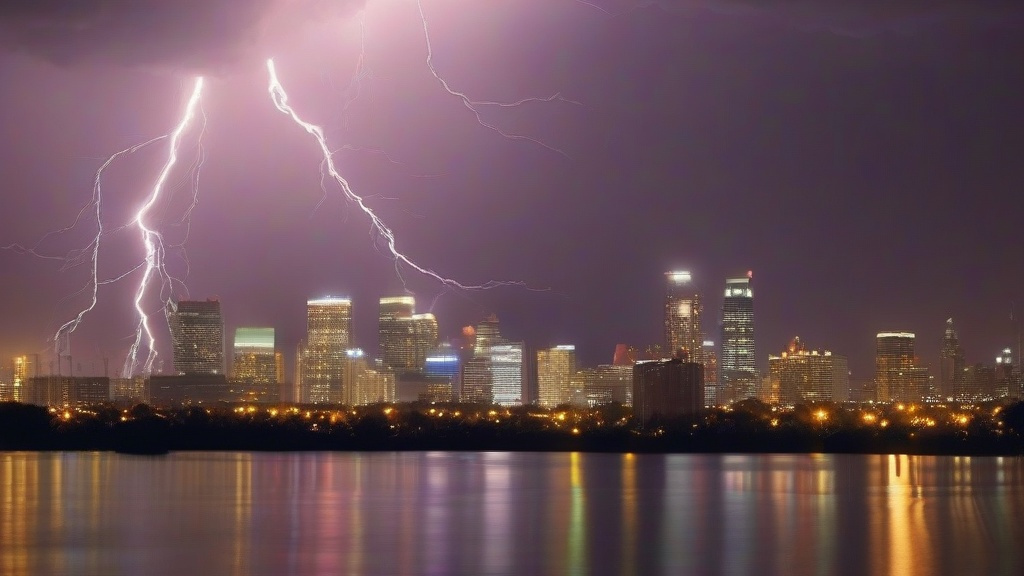
Urban areas experience this phenomenon most acutely. The 2024 Beijing thunderstorm complex saw 432 lightning strikes per hour at its peak, shattering previous records. Cities generate microclimates through the urban heat island effect, where concrete and asphalt absorb solar radiation, creating localized updrafts. When these meet polluted air masses containing particulate matter, they trigger severe lightning activity and hail formation.
The consequences extend beyond property damage. In Mumbai (2025), a supercell thunderstorm produced baseball-sized hail that shattered skyscraper windows, while lightning ignited chemical storage facilities, causing secondary explosions. Meteorologists now use machine learning models to predict such events, but rapid urbanization continues to outpace adaptation measures in many developing nations.
Cold Waves and Heatwaves: The Paradox of Polar Amplification
While global warming suggests uniformly higher temperatures, climate change actually disrupts atmospheric circulation patterns, creating extreme temperature anomalies at both poles of the thermal spectrum. This paradox manifests through two distinct mechanisms: polar vortex weakening and heat dome formation.
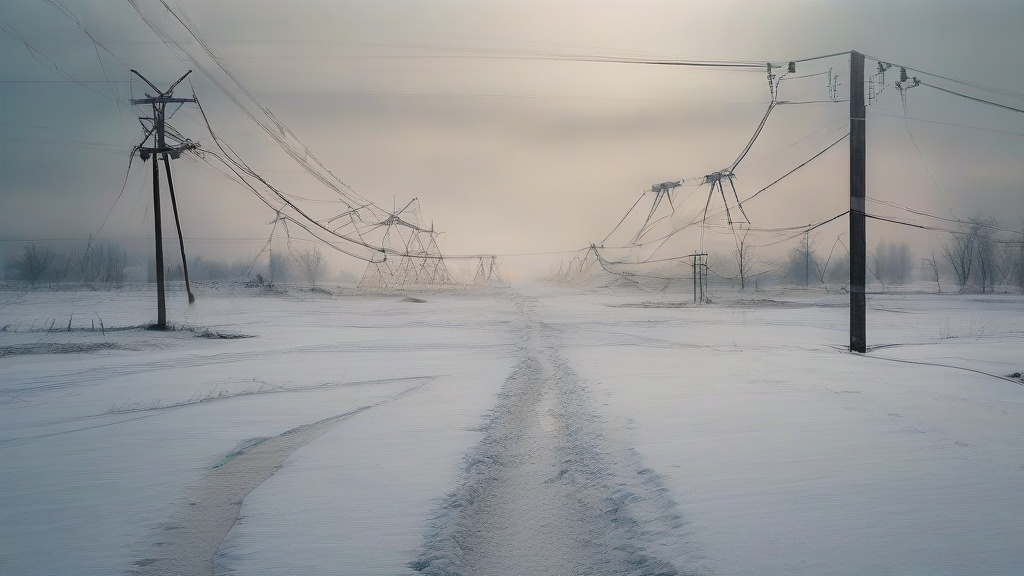
During Northern Hemisphere winters, reduced Arctic sea ice alters jet stream behavior. The polar vortex—a low-pressure system containing cold Arctic air—becomes more wavy, allowing frigid air masses to plunge southward. The 2026 North American cold wave saw temperatures drop to -45°C in Montana, freezing pipelines and causing widespread power outages. Ironically, these events occur against a backdrop of overall warming, with the contiguous United States experiencing its warmest decade on record simultaneously.
Conversely, heatwaves have become more frequent, intense, and prolonged. The 2027 European heat dome trapped high-pressure systems over the continent for 52 consecutive days, with Paris recording 42.6°C—a temperature incompatible with human thermal regulation without artificial cooling. Such events disproportionately affect vulnerable populations, with mortality rates increasing by 15% for every 1°C above regional norms.
The agricultural sector faces dual threats. Cold snaps damage spring crops in temperate zones, while heatwaves reduce yields in subtropical regions. In India's Punjab region, consecutive heatwaves in 2028 reduced wheat production by 23%, triggering food price inflation and social unrest. These compound impacts underscore the need for climate-resilient agricultural practices and international food security cooperation.