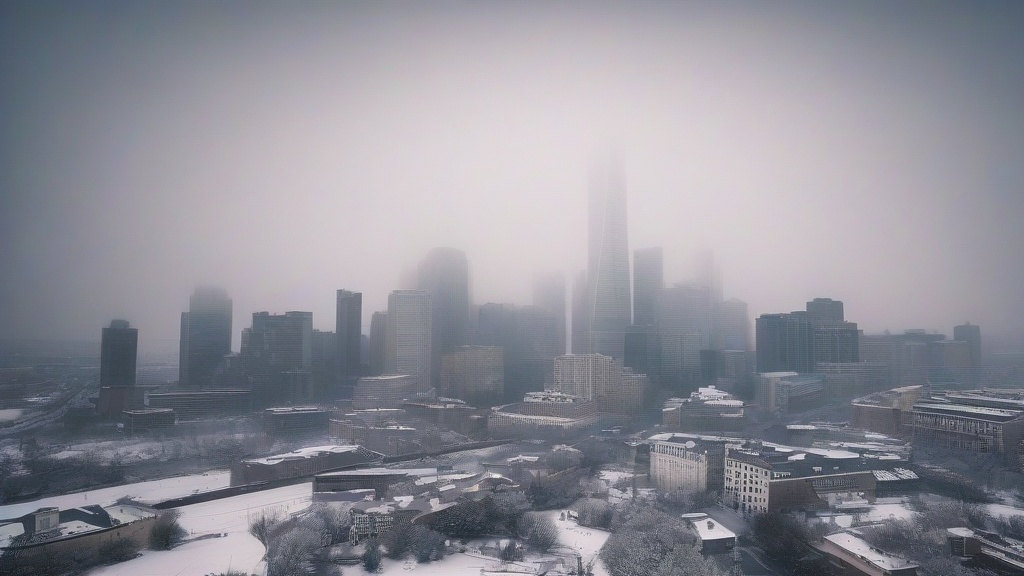
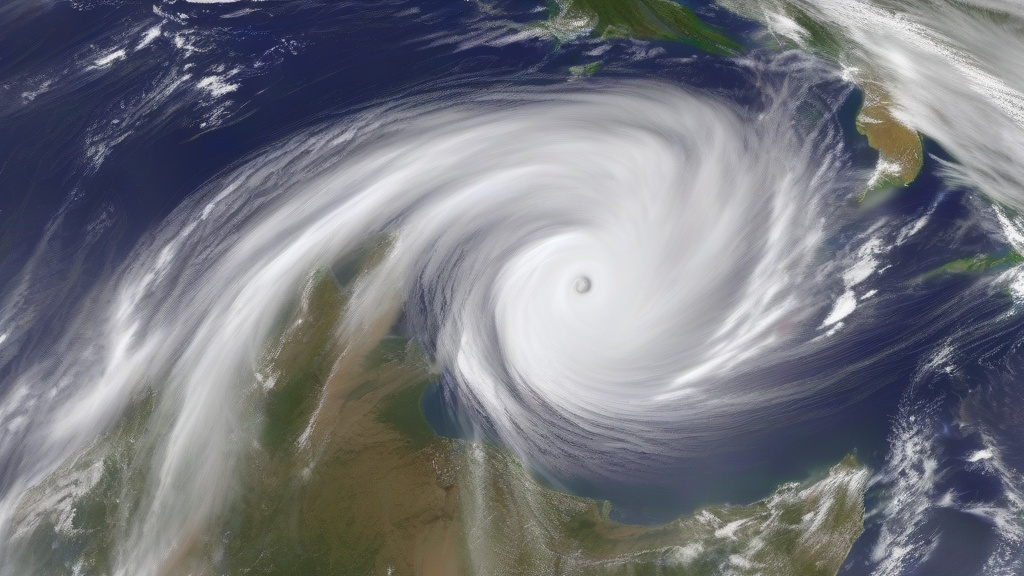
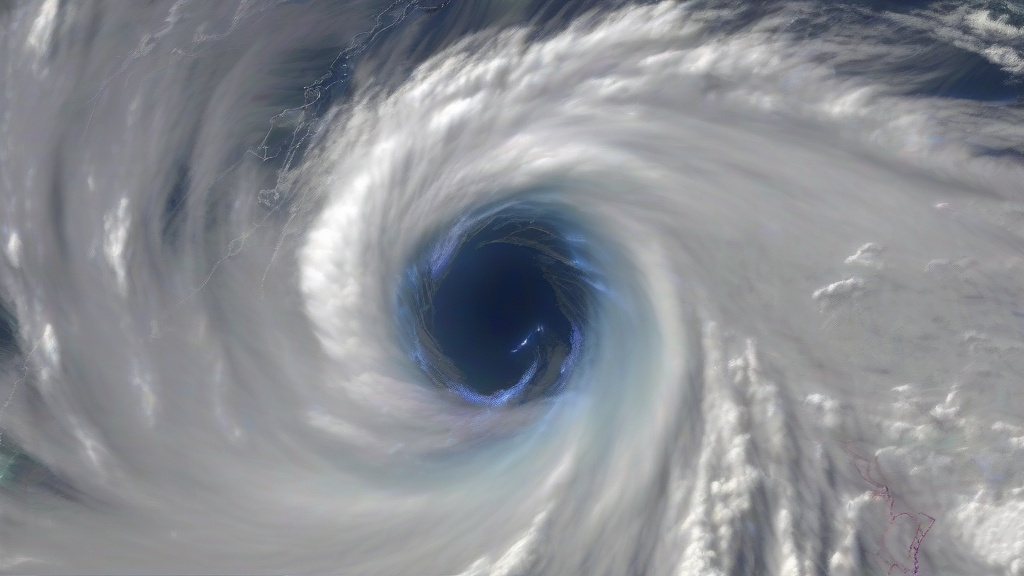
The roar of 150 mph winds tearing through coastal cities, storm surges swallowing entire neighborhoods, and rainfall measured in feet rather than inches—these are no longer rare events. In the past two decades, Super Typhoon Haiyan (2013), Typhoon Goni (2020), and Typhoon Rai (2021) have rewritten records for destructive power, each leaving trails of devastation across Southeast Asia. Behind these supercharged storms lies an undeniable force: climate change. Scientists now confirm that human-induced global warming is altering the fundamental dynamics of tropical cyclones, making them more frequent, intense, and unpredictable.
The Science of Storm Intensification
Tropical cyclones derive their energy from warm ocean waters. As sea surface temperatures rise due to climate change—currently increasing at 0.13°C per decade—the fuel available for storm development expands exponentially. A 1°C temperature increase can boost a typhoon's maximum sustained winds by approximately 5%, according to research published in Nature Climate Change. This explains why the Philippines, surrounded by some of the world's fastest-warming waters, now faces an average of 20 typhoons annually, up from 16 in the 1980s.
Atmospheric instability plays an equally critical role. Warmer air holds more moisture—about 7% more for every 1°C temperature rise. This creates two dangerous effects: heavier rainfall during landfall and stronger upward motion within storm systems, which reduces wind shear that previously weakened developing cyclones. The result? Storms like Typhoon Morakot (2009) dumped 2,749 mm (108 inches) of rain on Taiwan in three days, shattering regional records.
Cascading Impacts on Human Societies
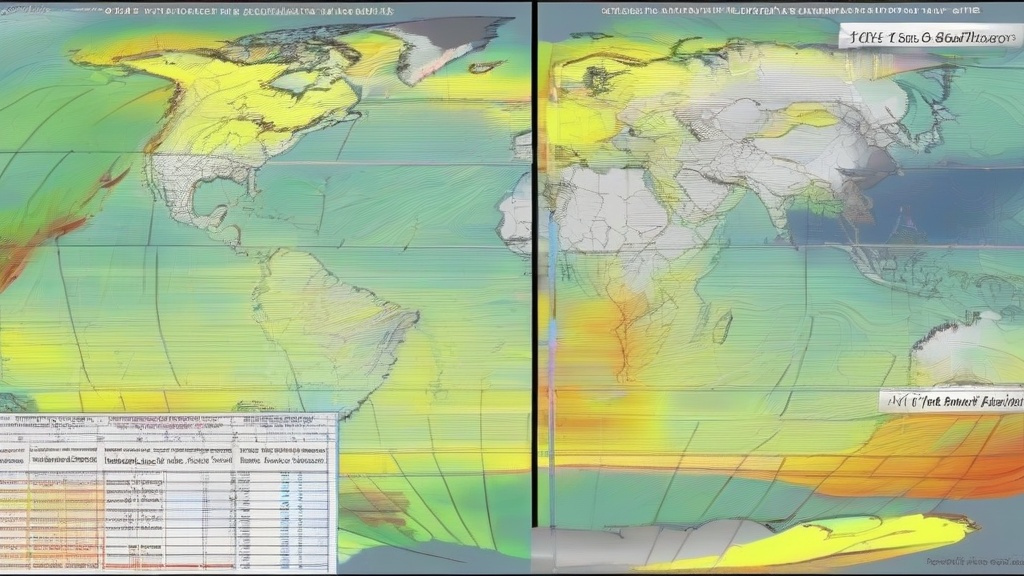
The consequences extend far beyond immediate destruction. In Vietnam's Mekong Delta, saltwater intrusion from stronger storm surges has contaminated 40% of agricultural land, threatening rice production that feeds 200 million people. The World Bank estimates that climate-related disasters could push 132 million people into extreme poverty by 2030, with typhoon-prone regions like Bangladesh and the Philippines at highest risk.
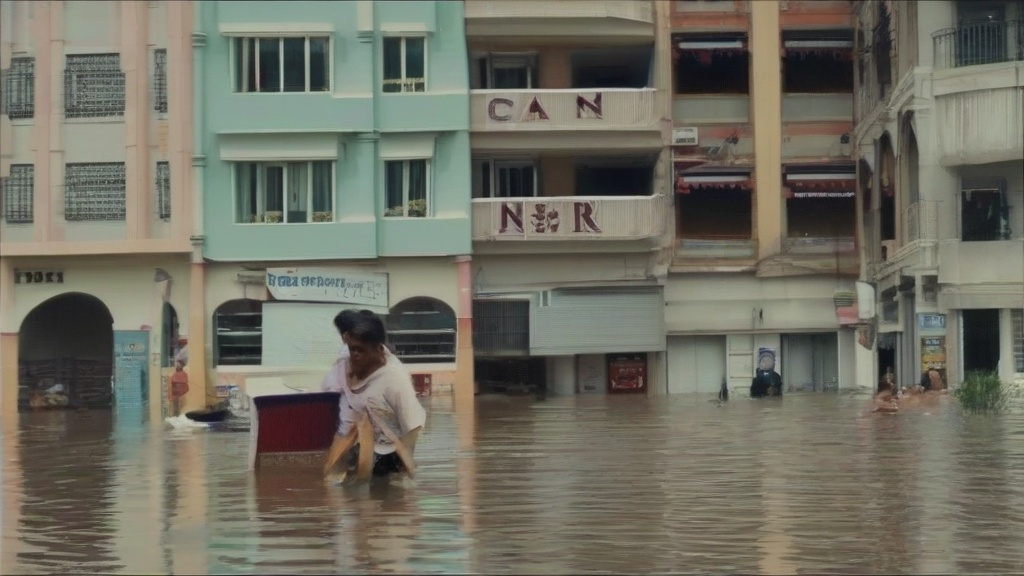
Health systems face unprecedented strain. After Typhoon Yolanda struck the Philippines in 2013, outbreaks of leptospirosis (a waterborne disease) infected 4,300 people within weeks. Damaged infrastructure disrupts medical supply chains, while displaced populations create ideal conditions for infectious disease spread. The economic toll is equally staggering: Super Typhoon Rai caused $1 billion in damages to the Philippines in 2021, equivalent to 0.5% of the country's GDP.
Global Responses and Future Adaptations
International cooperation has yielded some progress. The Paris Agreement's 1.5°C warming limit, if achieved, could reduce tropical cyclone intensity growth by 25% compared to 2°C scenarios, according to the IPCC. At national levels, Japan has invested $10 billion in seawall construction since 2011, while Taiwan now uses AI-powered forecasting systems that predict typhoon paths with 90% accuracy 72 hours in advance.
Innovative engineering solutions are emerging. Singapore's Marina Barrage combines flood control with freshwater reservoir functions, protecting 10,000 hectares from storm surges. The Netherlands' "Room for the River" program relocated 30,000 residents to create floodplains that absorb excess water during extreme events. On the individual level, communities in Vietnam's Quang Ngai province now plant mangrove forests that reduce wave energy by 70%, demonstrating nature-based defenses.
The path forward demands urgent action. Climate financing for vulnerable nations remains critically inadequate—developing countries require $70 billion annually for adaptation by 2030, yet received just $20 billion in 2019. As Typhoon Kammuri (2019) demonstrated when it knocked out power to 90% of Luzon Island, even advanced economies remain vulnerable. The solution requires integrating disaster preparedness into urban planning, accelerating renewable energy transitions, and establishing global early warning systems that reach remote coastal communities.