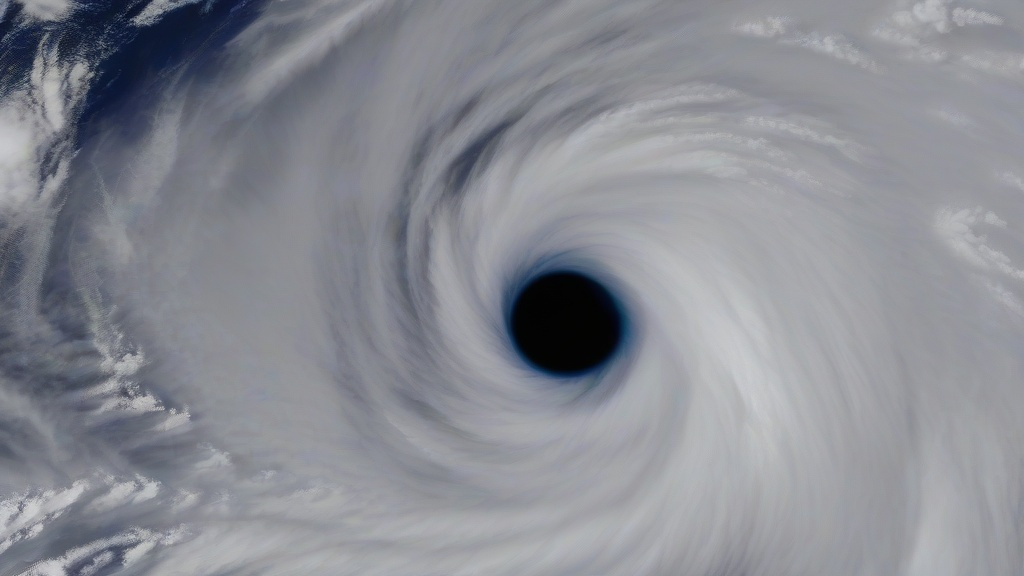
The planet is sending urgent distress signals. From record-breaking heatwaves scorching continents to unprecedented floods submerging cities, the climate crisis has evolved from a distant threat to an immediate reality. Compounding this, persistent smog blankets industrial regions, creating a toxic cocktail that endangers both human health and ecological balance. This article examines how climate change fuels extreme weather events and smog formation, revealing their interconnectedness and the urgent need for systemic solutions.
When Nature Strikes Back: The Surge of Extreme Weather
The past decade has witnessed a dramatic escalation in extreme weather phenomena. Heatwaves now shatter temperature records with alarming regularity—2023 saw Europe endure its hottest summer in 500 years, while India's April 2024 heatwave claimed over 100 lives in a single week. These prolonged high-temperature events strain power grids, disrupt agriculture, and trigger wildfires that consume millions of acres annually.
Simultaneously, atmospheric instability has supercharged storm systems. Hurricane Ian (2022) demonstrated this with 150 mph winds devastating Florida's coastline, while Pakistan's 2022 monsoon floods submerged one-third of the country, displacing 33 million people. Scientists attribute these intensifying patterns to warmer oceans providing more energy to storms and altered jet streams prolonging weather extremes.
The economic toll is staggering. The World Meteorological Organization reports that weather-related disasters cost the global economy $313 billion annually between 2013-2022, a 23% increase from the previous decade. Developing nations, contributing least to emissions, bear the brunt—Mozambique's Cyclone Idai (2019) caused damages equivalent to 67% of its GDP.

The Invisible Killer: How Climate Change Fuels Deadly Smog
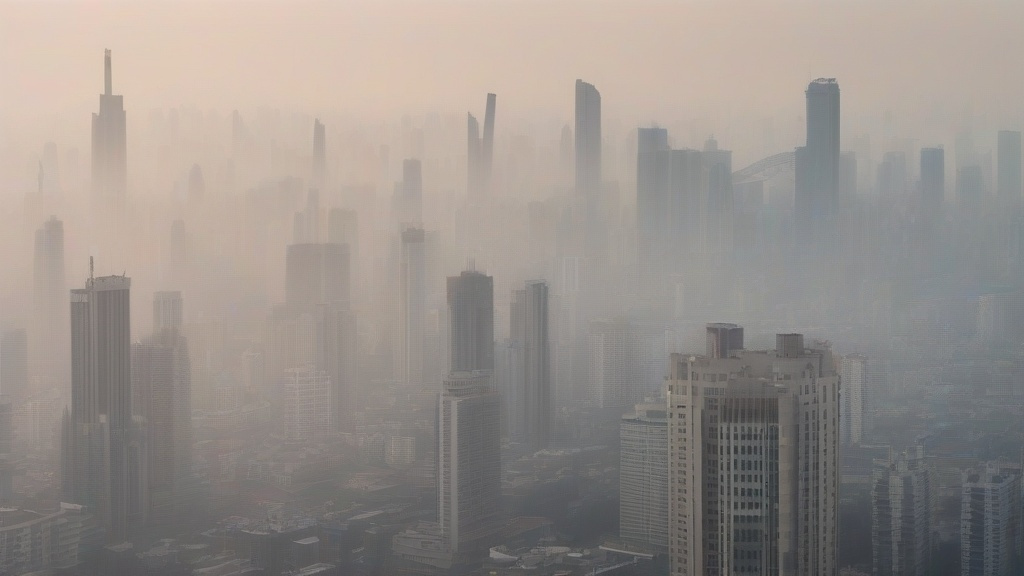
While extreme weather dominates headlines, air pollution remains a silent pandemic. Urban centers like Delhi and Beijing frequently experience air quality indices (AQI) exceeding 500—20 times the WHO's safe limit. This 'airpocalypse' phenomenon stems from climate-driven feedback loops: stagnant weather patterns trap pollutants, while warmer temperatures accelerate chemical reactions that form ground-level ozone, a key smog component.
Fossil fuel combustion remains the primary culprit, but climate change exacerbates the problem. Rising temperatures increase electricity demand for cooling, often met by coal-fired plants. In India, coal provides 70% of power generation, directly linking electricity consumption to particulate matter (PM2.5) emissions. Meanwhile, drought conditions reduce hydropower availability, creating a vicious cycle of increased fossil fuel reliance.
The health impacts are devastating. The Lancet Planetary Health journal estimates 8.7 million premature deaths annually from fossil fuel pollution, with children and elderly populations most vulnerable. In 2023, Mexico City hospitals reported a 40% surge in respiratory admissions during peak smog seasons, illustrating the direct correlation between climate-induced air quality degradation and public health crises.
Breaking the Cycle: Solutions for a Sustainable Future
Addressing this dual crisis demands multi-pronged strategies. Renewable energy adoption has shown promising results—Denmark now generates 52% of its electricity from wind, while Morocco's Noor Ouarzazate solar complex powers 1 million homes. These transitions must accelerate, with the IEA projecting that solar could become the world's largest power source by 2027.
Urban planning innovations offer immediate relief. Seoul's 'Green New Deal' aims to create 3,000 hectares of urban forests by 2030, projected to reduce PM2.5 levels by 20%. Meanwhile, Barcelona's superblocks model repurposes street space for green corridors, lowering temperatures by 2-3°C in pilot areas. Such initiatives demonstrate that climate action can enhance quality of life while reducing emissions.
International cooperation remains critical. The Kigali Amendment to the Montreal Protocol, which phases down hydrofluorocarbons (potent greenhouse gases), could prevent 0.5°C of warming by 2100. Similarly, the EU's Carbon Border Adjustment Mechanism incentivizes industries worldwide to adopt cleaner practices. These frameworks must expand to cover all major polluters.
Individual actions, though seemingly small, collectively drive change. Adopting plant-based diets reduces methane emissions, while electric vehicle adoption (projected to reach 40% of global sales by 2030) cuts transportation-related pollution. Community-led initiatives, such as India's 'Green Warriors' program training women in solar installation, prove that grassroots movements can catalyze systemic transformation.