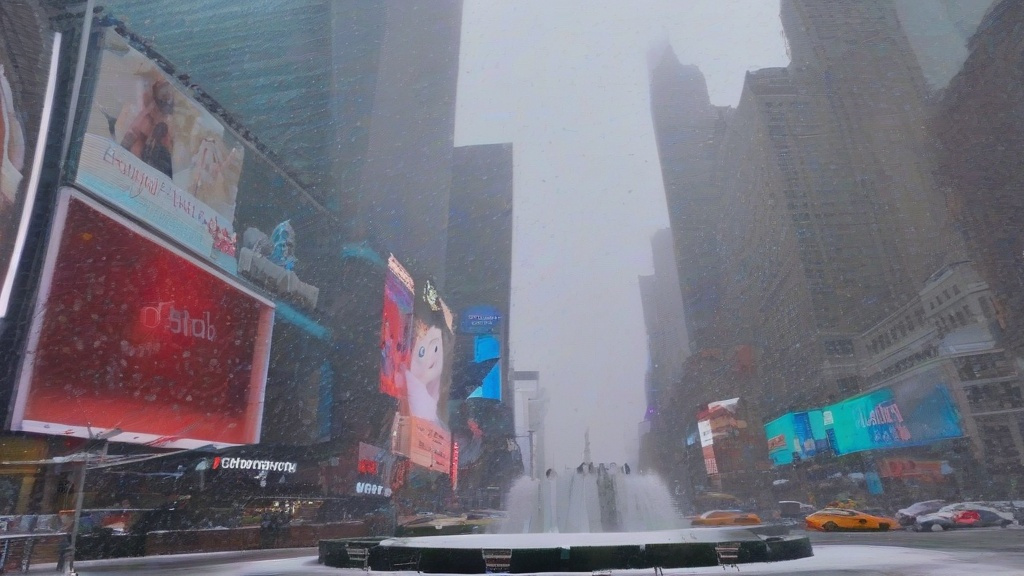
The Silent Witnesses: Meteorological Stations Tracking Climate Shifts
For over a century, meteorological stations have stood as silent sentinels, recording atmospheric variables with meticulous precision. Today, these networks reveal a stark narrative: global average temperatures have risen by 1.1°C since pre-industrial times, with the past decade being the hottest on record. Data from the World Meteorological Organization (WMO) shows a 76% increase in the frequency of extreme heat events since the 1980s, while Arctic sea ice has declined by 13% per decade.
Advanced satellite systems now complement ground-based observations, providing real-time data on atmospheric composition, ocean temperatures, and ice cover. For instance, NASA's Aqua satellite tracks sea surface temperatures with 1km resolution, exposing how warming oceans fuel hurricanes. In 2023, Hurricane Ian's rapid intensification from Category 1 to Category 5 in just 36 hours was directly linked to anomalously warm Gulf of Mexico waters—a phenomenon occurring 30% more frequently since 1990.
These observations aren't mere numbers; they translate to tangible impacts. In India, prolonged heatwaves in 2022 saw temperatures soar to 49°C, causing 90 deaths in a single week. Meteorological data revealed that such events now last 12 days longer than in the 1980s. Similarly, Europe's 2021 floods, which caused $43 billion in damages, were preceded by atmospheric rivers—narrow corridors of concentrated moisture—that delivered three months' worth of rain in three days, a pattern intensified by warmer air holding more moisture.
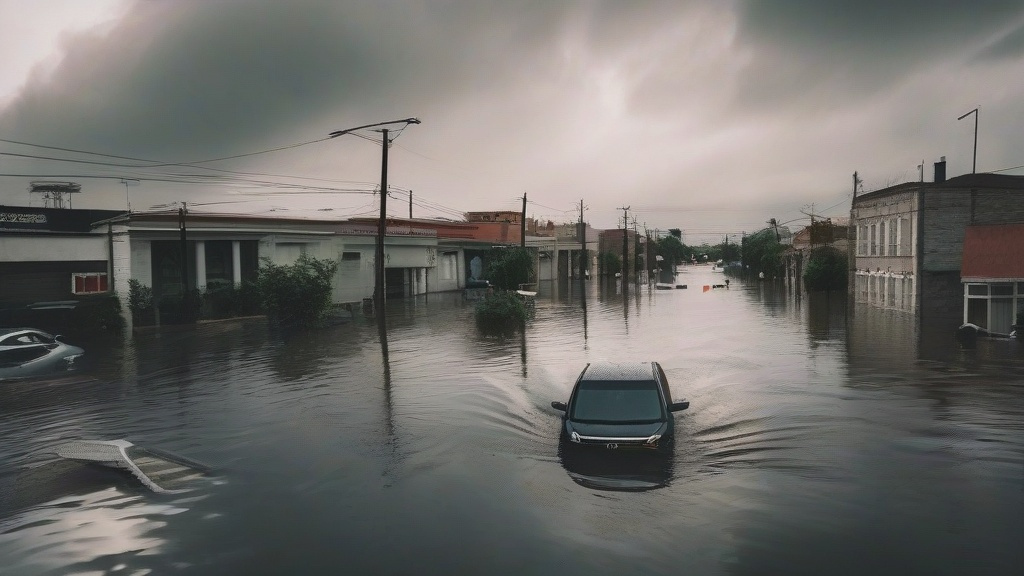
When Weather Breaks Bad: The Anatomy of Modern Extremes
Extreme weather events today exhibit unprecedented characteristics. Heatwaves now feature higher nighttime temperatures, reducing the body's ability to recover. The 2021 Pacific Northwest heat dome, which shattered records by 5°C in some areas, saw Portland hospitals overwhelmed with heatstroke cases. Climate models attribute 90% of this event's intensity to human-induced warming.
Precipitation patterns have similarly transformed. While some regions face droughts, others endure deluges. California's atmospheric rivers, once rare, now occur 30% more frequently, dumping 300mm of rain in 24 hours. In 2022, Pakistan's monsoon floods submerged one-third of the country, displacing 33 million people. Scientists found that climate change made the event 50% more likely.
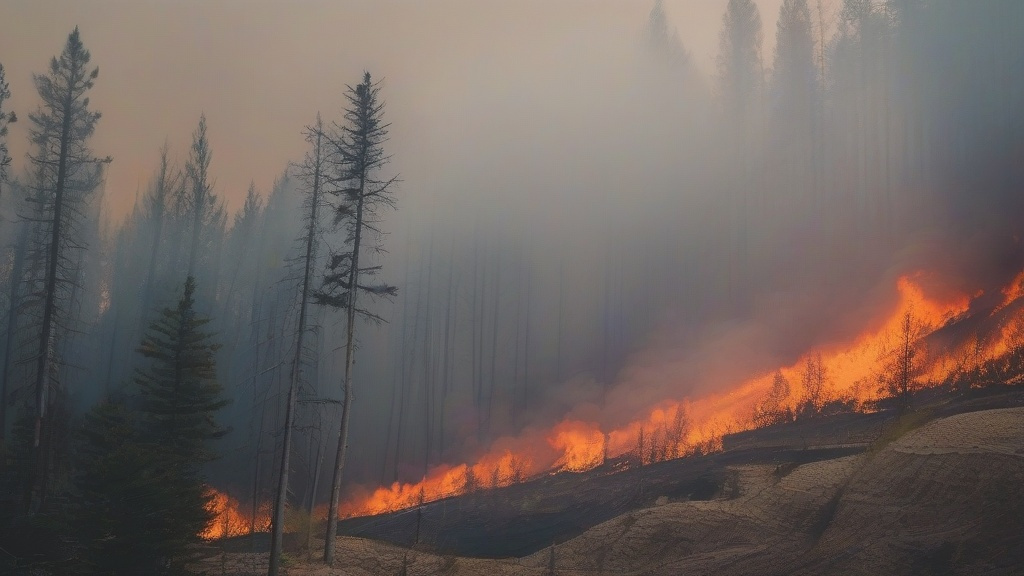
Wildfires have become year-round threats. Australia's 2019-2020 Black Summer fires burned 46 million acres, releasing 900 million tons of CO2. Satellite imagery showed fire fronts moving at 70km/h, fueled by drought-parched vegetation and record-breaking temperatures. Similarly, Canada's 2023 wildfires emitted 1.6 billion tons of CO2—equivalent to Germany's annual emissions—as heatwaves dried out boreal forests.
Building Resilience: Science-Driven Solutions for an Uncertain Future
Adapting to climate extremes requires integrating meteorological data into urban planning. Singapore's "Sponge City" initiative uses permeable pavements and rooftop gardens to absorb 70% of rainfall, reducing flood risks. Meanwhile, Barcelona's climate shelter network provides cooled public spaces during heatwaves, saving lives during the 2022 European heatwave.
Early warning systems have proven critical. The Indian Meteorological Department's (IMD) upgraded cyclone forecasting reduced fatalities from 10,000 in 1999 (Cyclone Odisha) to just 12 in 2023 (Cyclone Biparjoy) through precise tracking and timely evacuations. Similarly, Africa's Drought Monitoring Centre uses satellite-derived vegetation indices to predict famines months in advance, enabling preemptive aid distribution.
Technological innovations offer hope. AI models now predict extreme weather with 90% accuracy up to five days in advance, compared to 70% a decade ago. Google's "Flood Hub" platform provides real-time flood alerts to 23 countries, while the European Space Agency's Copernicus program offers open-access climate data to researchers worldwide. These tools empower communities to prepare rather than react.