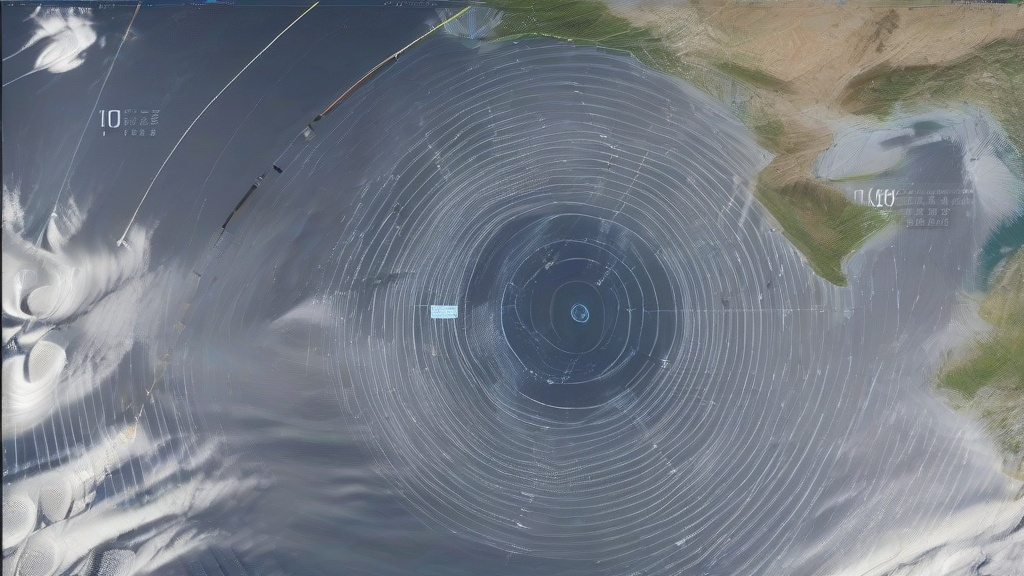
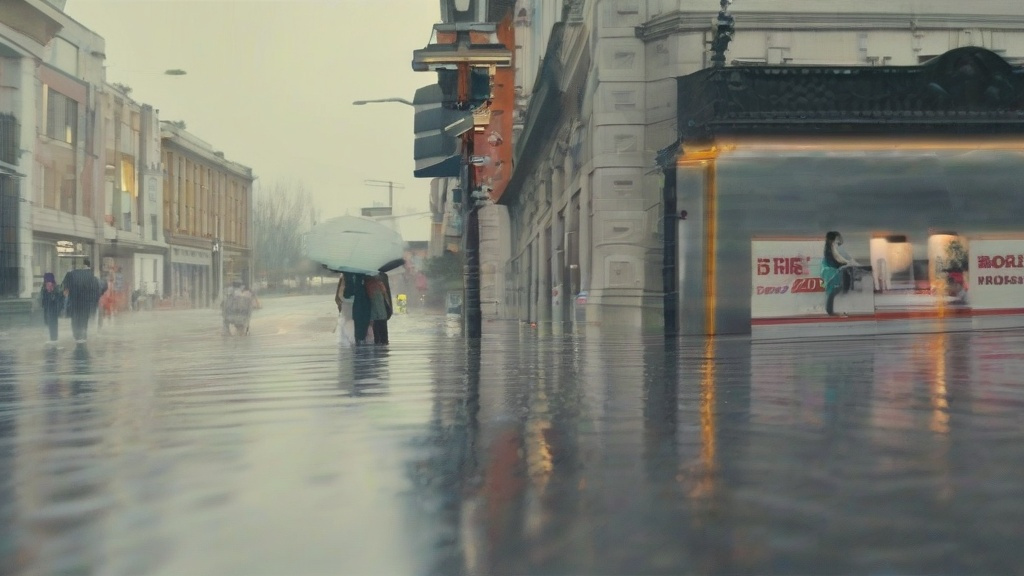
The planet is burning. From scorching 45°C days in Europe to record-breaking triple-digit temperatures across Asia, extreme heatwaves are no longer isolated anomalies but harbingers of a climate system in crisis. The World Meteorological Organization reports that 2023 marked the hottest summer in recorded history, with heat-related deaths surging 62% compared to the previous decade. This isn't merely uncomfortable weather - it's a fundamental reshaping of Earth's atmospheric patterns, driven by 1.2°C of warming since pre-industrial times and accelerating toward irreversible tipping points.
Heatwaves now persist longer, cover wider areas, and strike with greater intensity due to three interconnected factors: trapped greenhouse gases altering atmospheric circulation, amplified land-surface heating from reduced albedo effects, and disrupted jet stream patterns creating persistent high-pressure 'heat domes'. These forces combine to create weather systems that park over regions for weeks, refusing to yield to normal seasonal transitions.
The Anatomy of a Modern Heatwave
What distinguishes today's heat events from historical extremes? Modern heatwaves emerge from a perfect storm of atmospheric conditions. The 'omega block' pattern - named for its resemblance to the Greek letter Ω - forms when high-pressure systems anchor over continents, creating stagnant air masses that act like atmospheric lids. Simultaneously, ocean surface temperatures in key basins reach record anomalies, pumping additional moisture and energy into the lower atmosphere.
Satellite data reveals another critical factor: the diminishing temperature differential between polar and equatorial regions. This weakened gradient slows jet stream speeds by 15% since 1980, causing weather systems to stall. When a high-pressure ridge combines with these sluggish wind patterns, heat becomes trapped geographically, creating what climate scientists call 'stuck weather' phenomena.
Urban environments compound these effects through the urban heat island effect. Concrete and asphalt absorb 80-95% of solar radiation compared to 20-40% for natural landscapes. During the 2022 UK heatwave, London's city center reached temperatures 9°C higher than surrounding rural areas at night. This artificial heating creates microclimates where dangerous temperature thresholds are crossed hours earlier than in non-urban settings.
Cascading Consequences Across Systems
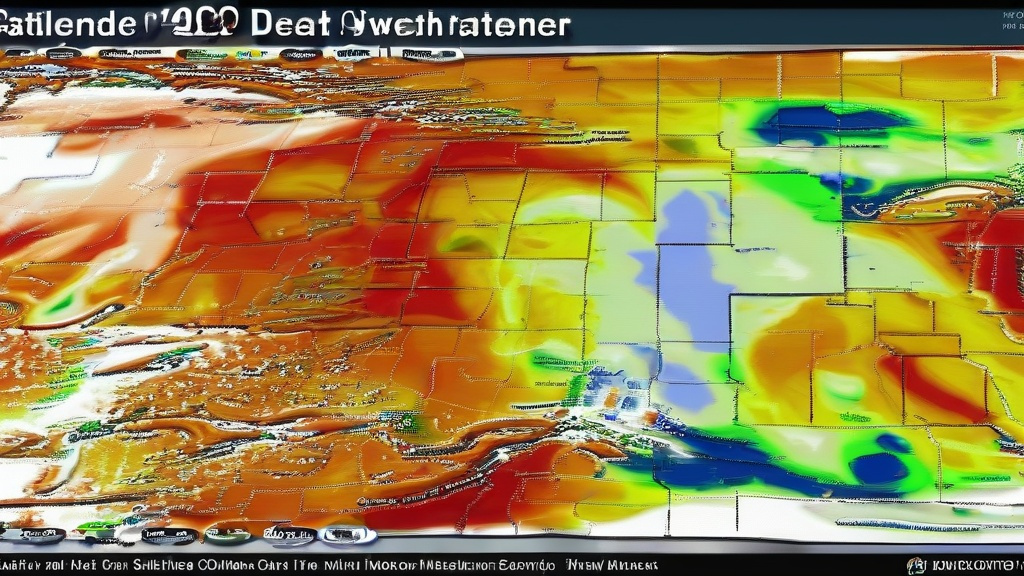
The ramifications of extreme heat extend far beyond discomfort. In agriculture, each 1°C increase above optimal growing temperatures reduces wheat yields by 6% and rice by 10%. The 2021 Pacific Northwest heat dome caused $129 million in crop losses across Washington and Oregon alone, with berry farmers reporting 100% crop destruction in some areas.
Human health systems face unprecedented strain. During Europe's 2023 heatwave, emergency room visits for heatstroke increased 400% in southern France, with mortality rates spiking 27% among those over 65. The Lancet Countdown reports that 37% of global heat-related deaths can now be directly attributed to climate change, with vulnerable populations - outdoor workers, low-income communities, and those with pre-existing conditions - bearing disproportionate impacts.
Infrastructure failures multiply under extreme heat. Railway tracks buckle, airport tarmacs soften, and power grids overload as air conditioning demand surges. The 2021 British Columbia heatwave melted critical electrical substations, leaving 1.4 million people without power during peak temperatures. Water systems struggle too - algae blooms flourish in warmer reservoirs, clogging filtration plants and threatening drinking water supplies.
Building Resilience in a Hotter World
Adaptation strategies must evolve from reactive to proactive. Cities like Phoenix, Arizona, now paint streets with reflective cool pavement coatings that reduce surface temperatures by 11°C. Singapore's 'Skyrise Greenery' initiative mandates vertical gardens on new buildings, creating natural cooling that reduces ambient temperatures by 2-4°C in dense urban areas.
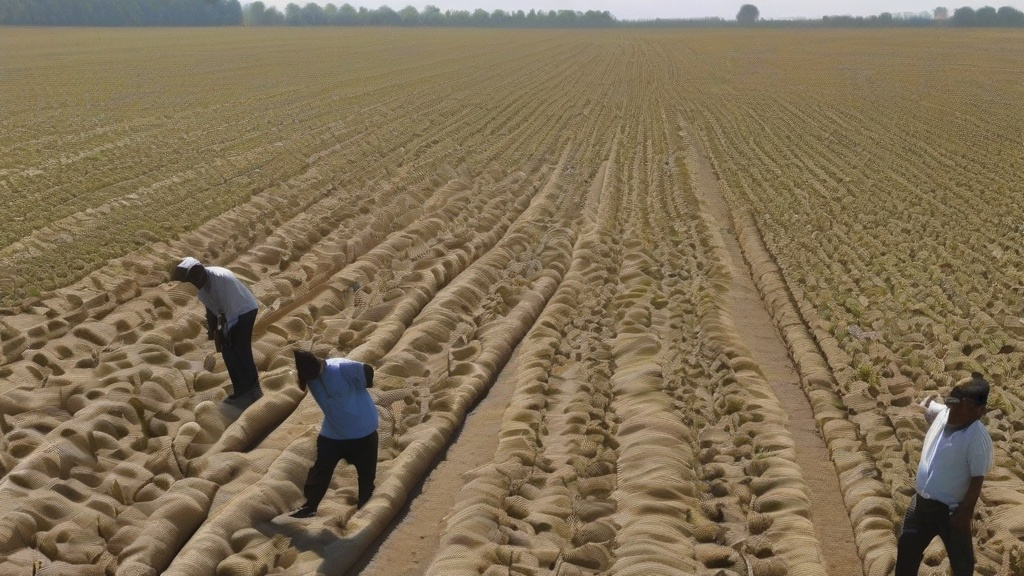
Agricultural innovation focuses on heat-tolerant crop varieties and precision irrigation. In India, the International Rice Research Institute has developed strains that maintain yields at 38°C, while drone-based soil moisture sensors help farmers optimize water use during critical growth stages. Vertical farming operations in Dubai demonstrate how controlled-environment agriculture can produce 10x more food per square meter using 90% less water than traditional methods.
Personal preparedness becomes essential. Health agencies now recommend 'cooling kits' containing electrolyte tablets, UV-blocking clothing, and portable misting fans for vulnerable populations. Community cooling centers equipped with medical staff and hydration stations are emerging as critical infrastructure, particularly in regions lacking air conditioning access.
Ultimately, surviving extreme heat requires systemic change. The International Energy Agency projects that global air conditioning capacity will triple by 2050, necessitating a parallel revolution in renewable energy to avoid catastrophic emissions spikes. Cities must redesign urban landscapes with heat resilience as a core principle, integrating green corridors, reflective materials, and distributed cooling networks.