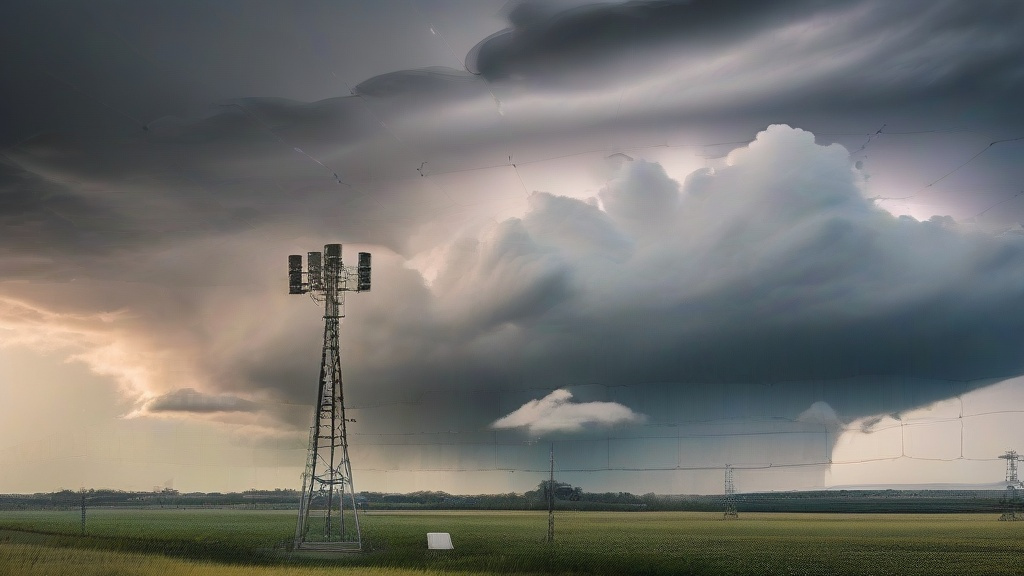
The world is witnessing a dramatic shift in weather patterns, with typhoons becoming more frequent, intense, and unpredictable. At the heart of this transformation lies climate warming—a phenomenon driven by human activities that is reshaping our planet's atmosphere and oceans. As global temperatures rise, the energy fueling tropical cyclones increases, leading to storms of unprecedented scale and destruction. This article delves into the science behind this connection, explores real-world impacts, and considers what the future may hold.
The Science of Warming Oceans and Typhoon Formation
Typhoons, like hurricanes and cyclones, draw their energy from warm ocean waters. When sea surface temperatures exceed 26.5°C (80°F), evaporation increases, feeding moisture and heat into developing storm systems. Climate warming has led to a steady rise in ocean temperatures, particularly in the western Pacific—a breeding ground for typhoons. Studies show that for every 1°C increase in sea surface temperature, a typhoon's maximum wind speed can rise by up to 5%, and its rainfall intensity by 7%. This means storms are not only stronger but also wetter, amplifying flood risks.
The relationship between warming oceans and typhoon intensity is supported by satellite data and climate models. Since the 1970s, the proportion of Category 4 and 5 typhoons has increased, with some storms now sustaining winds over 250 km/h (155 mph). For example, Typhoon Haiyan in 2013, one of the strongest ever recorded, caused catastrophic damage in the Philippines, killing over 6,000 people. Scientists attribute its power partly to abnormally warm waters in the Pacific.
Case Studies: Typhoons in a Warming World
Recent years have provided stark examples of how climate warming is altering typhoon behavior. In 2018, Typhoon Mangkhut struck the Philippines and Hong Kong, bringing sustained winds of 205 km/h (127 mph) and triggering widespread flooding. The storm's path and intensity were influenced by unusually warm sea temperatures, which allowed it to maintain strength longer than typical storms. Similarly, in 2019, Typhoon Hagibis became Japan's costliest weather disaster, causing over $15 billion in damages. Its rapid intensification—a hallmark of warming-fueled storms—caught many by surprise.
These cases highlight a troubling trend: typhoons are not only becoming stronger but also more erratic. Warmer oceans provide more fuel, enabling storms to intensify quickly, sometimes jumping from Category 1 to Category 5 in under 24 hours. This leaves less time for evacuation and preparation, increasing the risk to life and property. Coastal communities, particularly in Southeast Asia, are bearing the brunt of these changes, with infrastructure and ecosystems struggling to adapt.

Future Projections and Adaptation Strategies
Climate models predict that typhoons will continue to grow in intensity as global temperatures rise. By 2100, under a high-emissions scenario, the average maximum wind speed of typhoons could increase by 10%, with rainfall rates rising by 20-30%. This would lead to more frequent and severe flooding, landslides, and storm surges, particularly in low-lying coastal regions. The Philippines, Japan, and Taiwan are expected to face the greatest risks, given their geographic location and exposure to the western Pacific.
Adapting to this new reality requires a multi-faceted approach. Early warning systems must improve to account for rapid intensification, while coastal defenses need reinforcement to withstand stronger storms. Urban planning should prioritize flood-resistant infrastructure, such as elevated buildings and green spaces that absorb rainwater. On a broader scale, reducing greenhouse gas emissions remains critical to slowing the pace of climate warming. International cooperation, through agreements like the Paris Accord, is essential to limit global temperature rise and mitigate the worst impacts of typhoon intensification.