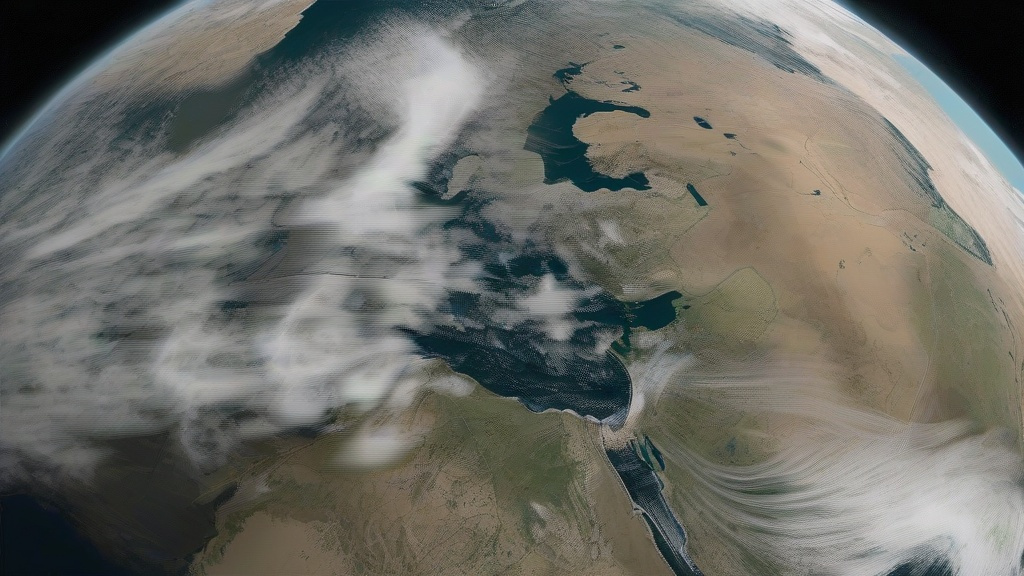
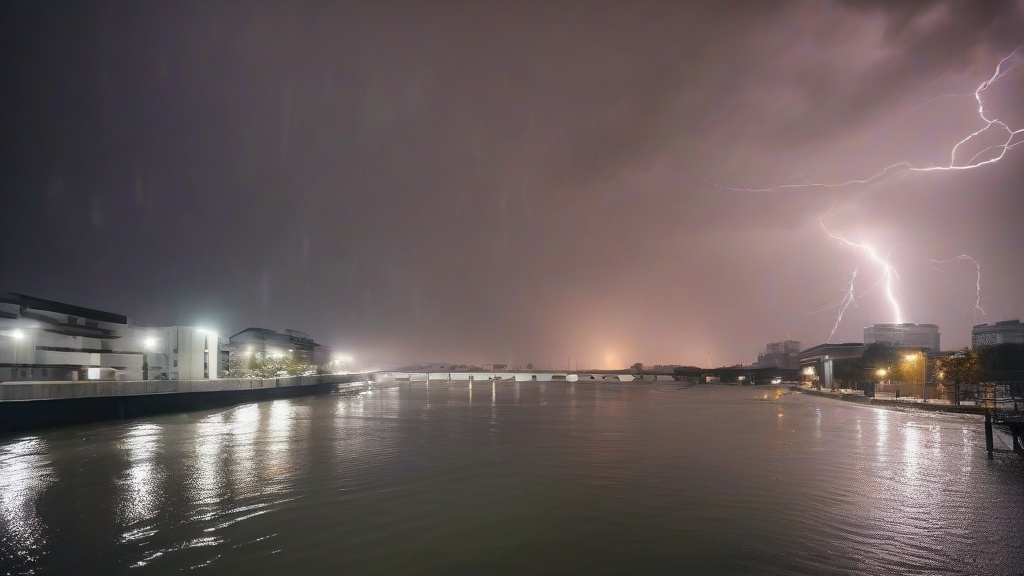
The planet is witnessing a dramatic escalation in extreme weather events, with typhoons emerging as one of the most visible manifestations of climate change. These powerful storms, once predictable in their seasonal patterns, now strike with unprecedented ferocity, leaving destruction in their wake. The link between rising global temperatures and typhoon behavior is no longer speculative—it is backed by robust scientific evidence. As ocean surfaces warm, they provide more energy to fuel storms, while changing atmospheric conditions alter their trajectories and intensity. This article examines how climate change is reshaping typhoon dynamics, the cascading effects on human societies, and the urgent need for adaptive resilience.
The Science Behind Escalating Typhoon Intensity
Typhoons derive their energy from warm ocean waters. When sea surface temperatures exceed 26.5°C (79.7°F), water vapor rises, condenses, and releases latent heat—the primary driver of storm formation. Climate change has raised ocean temperatures by approximately 1.1°C since pre-industrial times, with the western Pacific Ocean warming 0.8°C faster than the global average. This thermal energy supercharges typhoons, enabling them to sustain higher wind speeds for longer durations.
Research published in Nature Geoscience reveals that the proportion of Category 4 and 5 typhoons has increased by 25% since the 1970s. These storms now exhibit rapid intensification—a phenomenon where wind speeds jump by 55 km/h (34 mph) within 24 hours—more frequently. In 2023, Typhoon Haiyan’s successor, Super Typhoon Goni, shattered records with sustained winds of 315 km/h (196 mph), underscoring how warming oceans act as a steroid for cyclonic systems.
Atmospheric changes compound the threat. Warmer air holds 7% more moisture per degree of temperature rise, leading to torrential rainfall during typhoons. The 2020 Typhoon Vamco dumped 1,000 mm (39 inches) of rain on Luzon, Philippines, in 48 hours, triggering landslides that buried entire villages. Meanwhile, shifting wind patterns due to Arctic warming are altering typhoon trajectories, sending storms toward previously unaffected regions.

Societal and Economic Impacts of Modern Typhoons
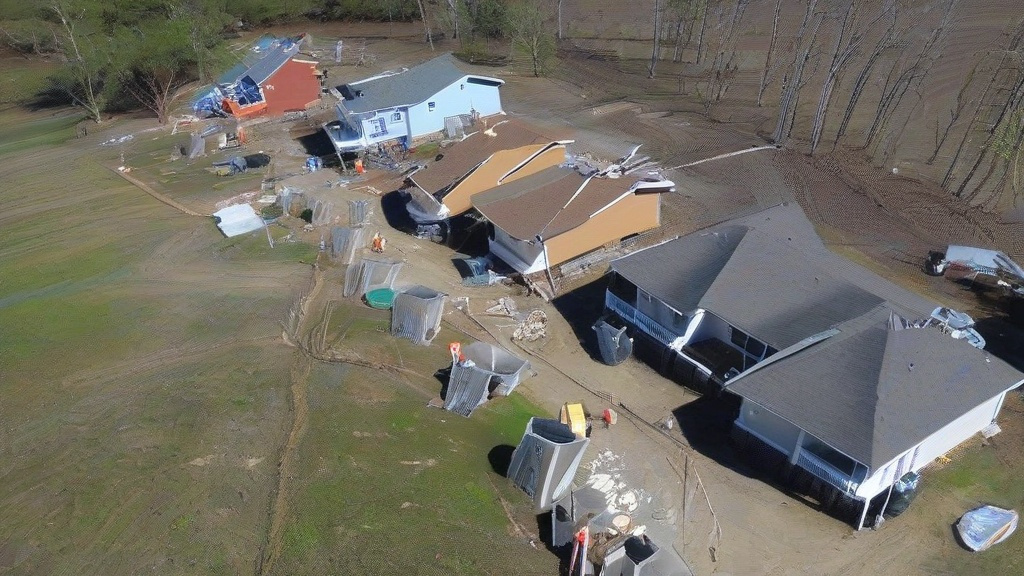
The human cost of intensified typhoons is staggering. Between 2000 and 2022, typhoons in the Asia-Pacific region caused $335 billion in economic losses and claimed 250,000 lives. Low-lying island nations like the Philippines and Vietnam face existential threats, with storm surges now exceeding coastal defense infrastructure designed for weaker storms.
Agriculture suffers catastrophic blows. In 2021, Typhoon Rai destroyed 1.5 million hectares of rice paddies in the Philippines, triggering a 40% spike in local rice prices. Fisheries collapse as saltwater intrusion poisons freshwater systems, while tourism-dependent economies lose billions during prolonged recovery periods. The World Bank estimates that climate-related disasters could push 132 million people into extreme poverty by 2030, with typhoons playing a central role.
Health systems buckle under the strain. Post-typhoon outbreaks of waterborne diseases like cholera and leptospirosis have surged by 300% in affected regions. Mental health crises follow, with PTSD rates among survivors reaching 45% in some communities. The compounding effects of displacement, food insecurity, and lost livelihoods create long-term development setbacks that erase decades of progress.
Building Resilience in the Face of Uncertainty
Adaptation strategies must evolve alongside changing typhoon dynamics. Early warning systems now incorporate AI-powered forecasting models that predict rapid intensification 72 hours in advance, buying critical evacuation time. The Philippines’ Project NOAH (Nationwide Operational Assessment of Hazards) uses drone imagery and machine learning to map flood risks in real-time, reducing casualties by 60% since its 2012 launch.
Engineering solutions are transforming coastal defenses. Vietnam’s Mangrove Plantation Program has restored 45,000 hectares of wetlands, which absorb 75% of wave energy during typhoons. Japan’s “Super Levee” system combines 10-meter-high embankments with underground water storage to prevent flooding in urban areas. Meanwhile, floating hospitals and schools in Bangladesh maintain essential services even during 3-meter storm surges.
Policy frameworks must prioritize equity. The Paris Agreement’s loss and damage fund, operationalized in 2023, directs $100 billion annually to vulnerable nations for climate adaptation. Localized solutions, such as Taiwan’s community-led disaster drills and Fiji’s climate-resilient housing standards, demonstrate how grassroots initiatives complement national strategies. Ultimately, reducing greenhouse gas emissions remains the only long-term solution to curb typhoon escalation.