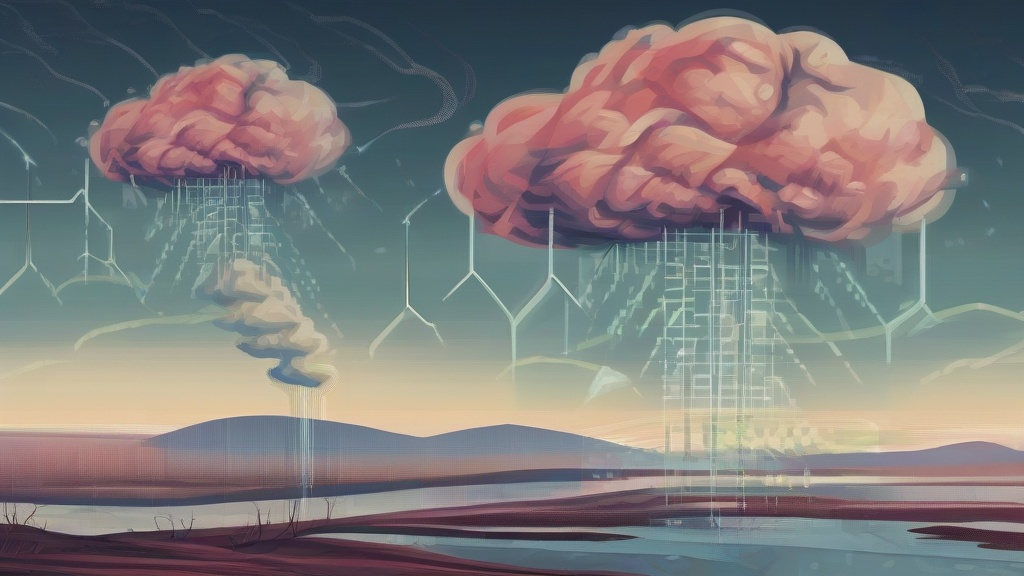
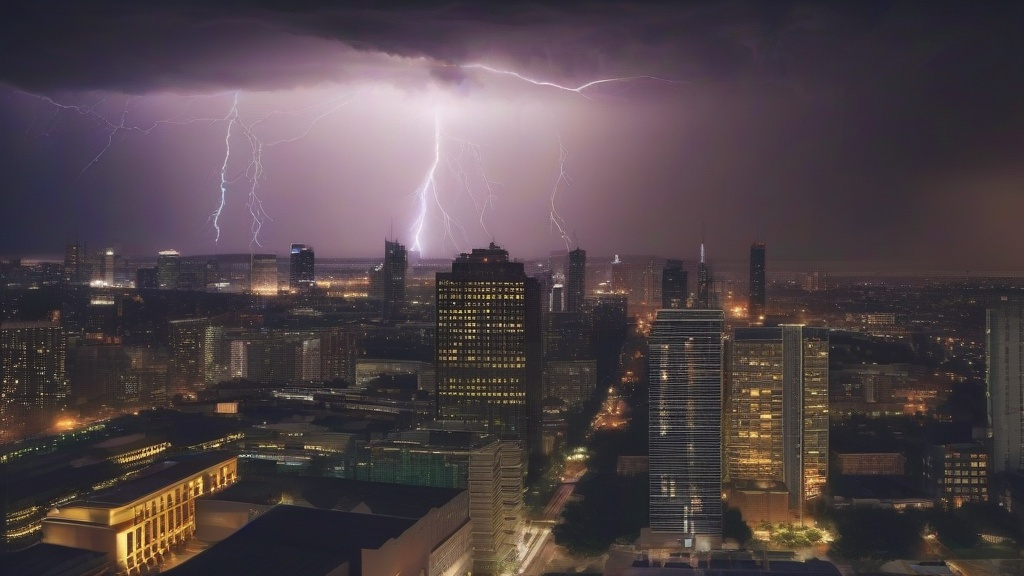
The Earth's climate system is undergoing unprecedented transformations, with extreme weather events becoming more frequent and severe. Among these, typhoons and thunderstorms stand out as two of the most destructive phenomena, their intensities amplified by climate change. Rising global temperatures, fueled by human activities, are altering atmospheric dynamics, ocean currents, and moisture levels, creating a fertile ground for these storms to thrive. This article delves into the scientific mechanisms linking climate change to the escalation of typhoons and thunderstorms, explores their societal impacts, and discusses potential mitigation strategies.
The Science Behind Climate-Driven Storm Intensification
Typhoons, tropical cyclones in the Western Pacific, derive their energy from warm ocean waters. As sea surface temperatures rise due to climate change, the heat and moisture available to fuel these storms increase exponentially. Studies indicate that for every 1°C rise in ocean temperature, a typhoon's maximum sustained wind speed can enhance by 1-2%, while its precipitation rates may surge by 7-10%. This is because warmer air holds more moisture, leading to heavier rainfall when storms make landfall.
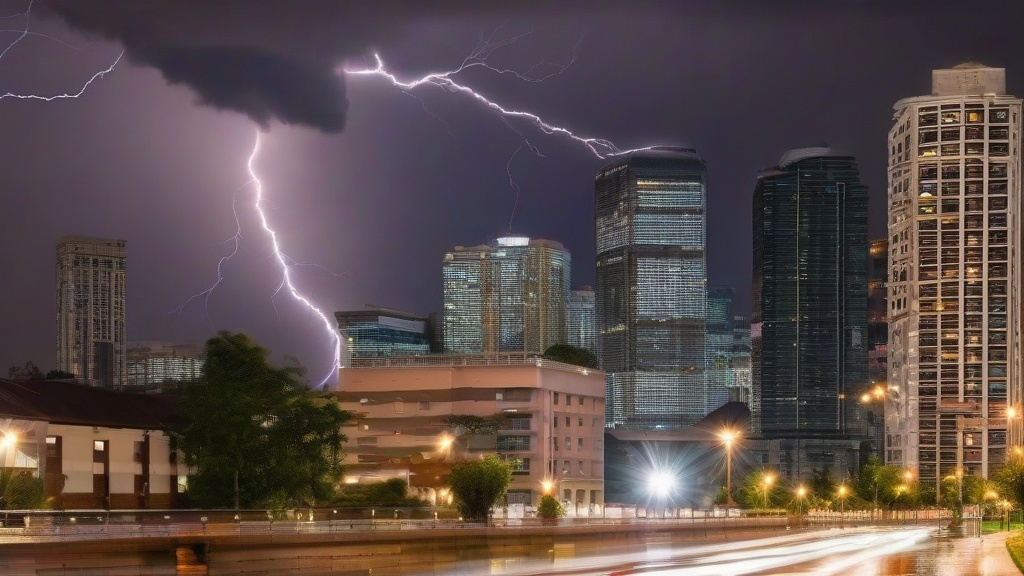
Similarly, thunderstorms, characterized by intense electrical activity and heavy downpours, are becoming more violent. Atmospheric instability, a key ingredient for thunderstorm formation, is heightened by uneven heating of the Earth's surface. Urbanization exacerbates this by creating 'heat islands' that disrupt local wind patterns and moisture distribution. Moreover, climate change is altering jet stream patterns, causing storms to stall over regions, prolonging their destructive effects.
A 2023 study published in Nature Climate Change revealed that the frequency of 'super typhoons' (Category 4-5 storms) has doubled since the 1980s, directly correlating with rising ocean temperatures. Meanwhile, thunderstorm-related disasters, such as flash floods and hailstorms, have increased by 30% globally over the past two decades.

Case Studies: Typhoons and Thunderstorms in the Climate Crisis Era
The Philippines, located in the typhoon belt, has witnessed firsthand the escalating fury of these storms. In 2013, Super Typhoon Haiyan, with winds exceeding 315 km/h, devastated Tacloban City, killing over 6,000 people. Scientists attribute its unprecedented strength to abnormally warm waters in the Pacific, a direct consequence of climate change. Similarly, in 2023, Typhoon Rai (Odette) caused widespread destruction in the Visayas and Mindanao regions, displacing millions and highlighting the vulnerability of coastal communities.
Thunderstorms, too, have wreaked havoc in unexpected places. In 2022, a severe thunderstorm in Germany's North Rhine-Westphalia region unleashed golf ball-sized hail and torrential rain, causing €1.5 billion in damages. The storm's intensity was linked to a stalled low-pressure system, a phenomenon increasingly common in a warming world. In the United States, the 'derecho' thunderstorm complex of 2020, which stretched from Iowa to Ohio, left a trail of destruction with winds reaching 160 km/h, underscoring the evolving nature of these events.
These case studies illustrate a worrying trend: storms once considered rare are now becoming routine, testing the resilience of even the most prepared societies.
Adapting to the New Normal: Strategies for Resilience
Addressing the escalating threat of typhoons and thunderstorms requires a multi-pronged approach. Firstly, mitigating climate change through rapid decarbonization is paramount. Transitioning to renewable energy, enhancing carbon sinks, and reforming industrial practices can curb the root causes of atmospheric warming.
Simultaneously, communities must invest in adaptive infrastructure. Coastal defenses, such as sea walls and mangrove restoration projects, can buffer against typhoon surges. For thunderstorms, urban planning must incorporate green roofs, permeable pavements, and advanced drainage systems to manage flash floods. Early warning systems, powered by AI and satellite technology, can provide crucial lead times for evacuation and preparedness.
Policy frameworks also need revamping. Disaster risk reduction strategies must integrate climate projections, ensuring that buildings, transportation networks, and agricultural practices are designed to withstand extreme weather. International cooperation, exemplified by agreements like the Paris Accord, is vital to mobilize resources and share best practices globally.
Finally, public awareness campaigns can empower individuals to take action. Simple measures, such as securing roofs, trimming trees, and creating emergency kits, can save lives during storms. Education on climate science and sustainability can foster a culture of resilience, encouraging communities to demand proactive governance.