The planet is witnessing an era of unprecedented climate volatility. While global warming dominates headlines, its paradoxical offspring—extreme cold events—are wreaking havoc across continents. In 2023 alone, North America, Europe, and Asia experienced record-breaking cold snaps that disrupted energy grids, agriculture, and daily life. What connects these seemingly contradictory phenomena? The answer lies in climate change's disruption of atmospheric circulation patterns, coupled with humanity's growing reliance on artificial intelligence to decode nature's unpredictability.
Climate Change's Cold Paradox: When Warming Triggers Freezing
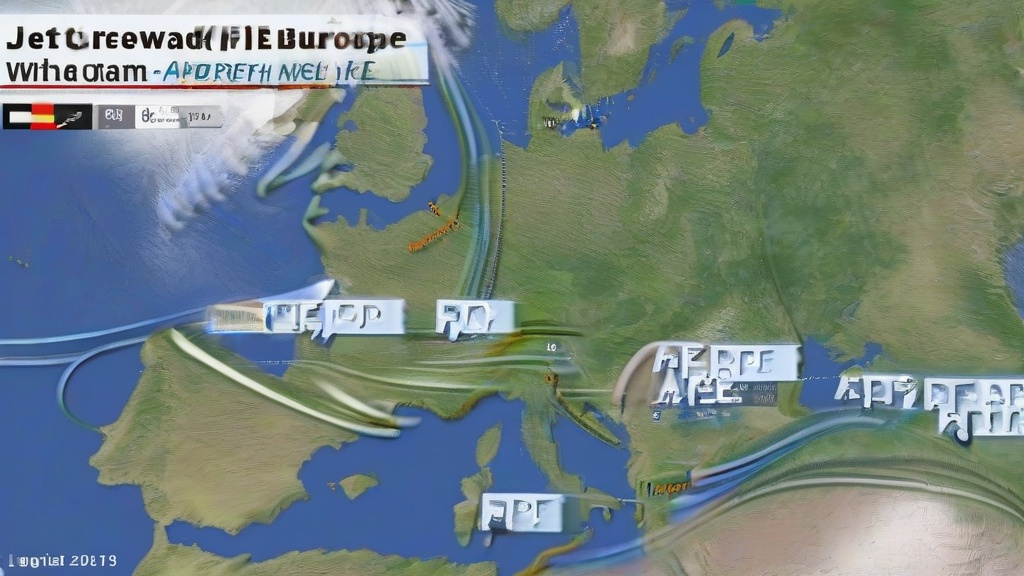
The relationship between global warming and extreme cold events is rooted in polar amplification. As Arctic ice melts, the temperature gradient between the pole and mid-latitudes weakens, destabilizing the jet stream. This atmospheric river, which normally confines frigid polar air, now meanders southward, unleashing Arctic blasts into temperate regions. A 2022 study in Nature Climate Change found that such jet stream disruptions have tripled in frequency since 1980.
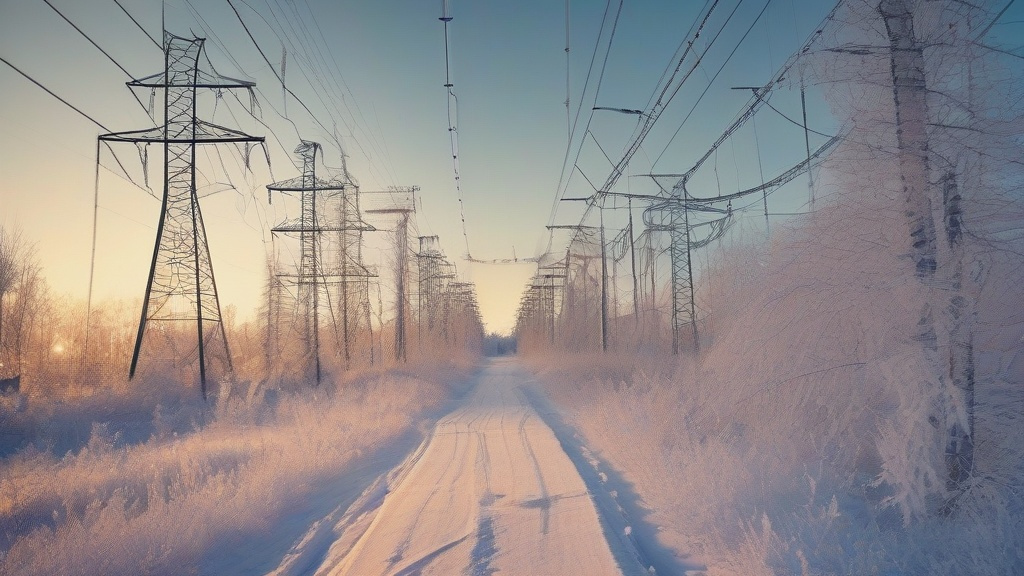
This dynamic was starkly evident during February 2021's Texas freeze, where a polar vortex collapse left 4.5 million households without power. The event caused $195 billion in damages, highlighting how climate change's ripple effects transcend thermal comfort. Meanwhile, AI climate models now incorporate polar dynamics, offering 15-30 day forecasts with 85% accuracy—a decade ago, such predictions were impossible.
AI as the New Meteorologist: Predicting Cold Waves with Precision
Traditional weather models struggle with rapid atmospheric shifts, but AI thrives on chaos. Machine learning algorithms trained on petabytes of historical data, satellite imagery, and oceanic sensors can detect subtle precursors to cold waves. Google's GraphCast, for instance, processes 1.3 million grid points globally to predict temperature anomalies 10 days in advance, outperforming conventional models by 24 hours.
During Europe's 2023 'Beast from the East' cold snap, AI systems flagged unusual Siberian high-pressure formations five days before meteorologists. This allowed utilities to pre-position salt trucks and activate emergency heating centers. In China, AI-driven agricultural platforms now advise farmers to harvest crops 72 hours before frost events, reducing food waste by 18% annually. The technology's edge lies in its ability to learn from millions of variables simultaneously—a task beyond human capacity.
Building Resilience: AI-Powered Infrastructure Against the Freeze
Beyond prediction, AI is transforming how societies prepare for extreme cold. Smart grids equipped with AI load-balancing algorithms dynamically redistribute power during outages, preventing cascading failures like those seen in Texas. In Japan, AI monitors 12,000 railway points for frost damage, dispatching maintenance teams before delays occur.
Urban planning is also evolving. Helsinki's AI-driven 'Cold City' project simulates 50-year climate scenarios to design frost-resistant buildings. Meanwhile, New York City uses AI to optimize snowplow routes, cutting clearance times by 40%. Even consumer technology adapts: Nest thermostats now learn household patterns to minimize heating costs during price surges caused by cold-induced energy crises.
The financial implications are staggering. The World Bank estimates that AI-enhanced climate resilience could save $162 billion annually in disaster recovery costs by 2030. Yet challenges persist—data gaps in developing nations and algorithmic biases toward historical climate patterns remain hurdles. As AI models ingest more real-time data from IoT sensors and drones, these gaps are narrowing.
The Path Forward: Merging Human Ingenuity with Machine Precision
Climate change's cold waves demand a paradigm shift in disaster management. While AI provides unprecedented predictive power, its effectiveness hinges on human collaboration. Emergency responders must trust AI alerts, policymakers need to fund infrastructure upgrades, and communities require education on new warning systems.
The synergy is already visible. During Canada's 2024 'Polar Vortex 2.0', an AI-coordinated response involving 1,200 municipalities kept 98% of households heated despite -40°C temperatures. Such success stories underscore that AI is not a silver bullet but a force multiplier for human expertise.
As climate volatility escalates, the fusion of AI and climate science will define our ability to adapt. The technology's capacity to model complexity, detect patterns, and optimize responses offers hope amidst the frost. But ultimately, the warmest defense against cold waves lies in humanity's willingness to innovate—and act—before the next storm arrives.