AI-Powered Climate Data Analysis: Unveiling Hidden Patterns
The fight against climate change hinges on understanding complex environmental interactions. Traditional climate models process petabytes of satellite imagery, ocean temperature readings, and atmospheric data, but human analysts struggle to detect subtle patterns. Artificial intelligence revolutionizes this process through machine learning algorithms capable of identifying correlations invisible to the naked eye.
For instance, Google's DeepMind developed an AI system that analyzes decades of weather station data to predict wind farm energy outputs with 20% greater accuracy. This precision enables utilities to optimize renewable energy integration into power grids, reducing reliance on fossil fuels. Similarly, NASA's Climate AI project processes ice core samples and tree ring data to reconstruct historical climate patterns, helping scientists separate natural variability from human-induced warming.
The real-time processing capabilities of AI also prove crucial. During the 2023 Australian bushfires, IBM's Watson analyzed satellite feeds, social media reports, and sensor networks to map fire spread in minutes rather than hours. This allowed emergency services to evacuate vulnerable communities 12 hours faster than traditional methods, demonstrating AI's life-saving potential in climate crises.
Smart Resource Management: AI's Role in Sustainable Development
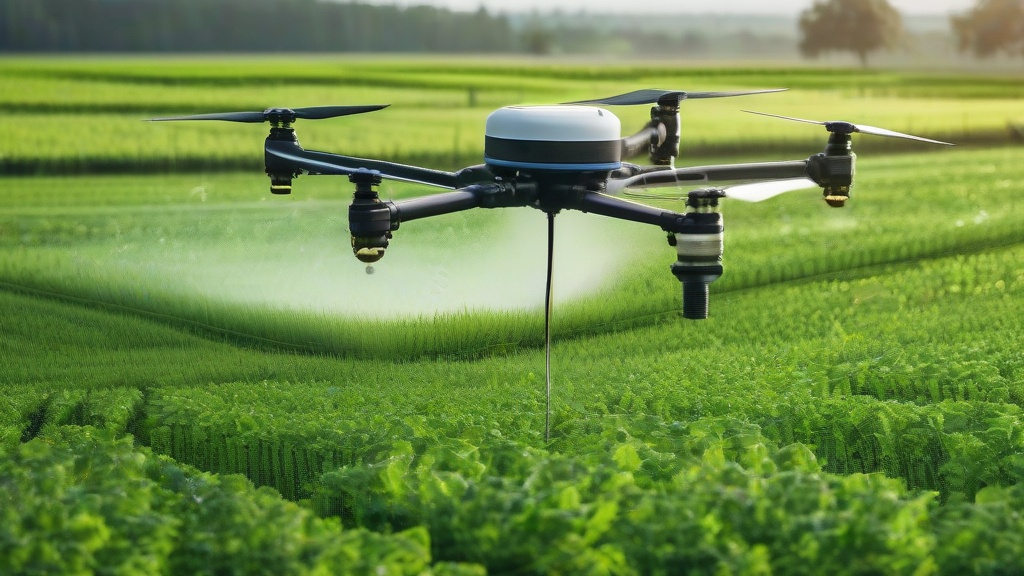
Climate change exacerbates resource scarcity, particularly in water-stressed regions. AI-driven smart grids and agricultural systems offer solutions by optimizing consumption patterns. In California's Central Valley, Microsoft's Azure FarmBeats platform combines soil sensors, drone imagery, and weather forecasts to advise farmers on irrigation schedules, reducing water usage by 35% while maintaining crop yields.
Urban areas benefit equally from AI optimization. Singapore's national water agency PUB uses machine learning to predict reservoir levels and adjust pumping stations dynamically. This system reduced energy consumption for water treatment by 18% between 2020-2023, equivalent to removing 4,200 cars from roads annually. The technology also detects pipeline leaks with 92% accuracy, preventing millions of gallons of water loss each month.
Energy sectors witness transformative changes through AI. General Electric's Digital Wind Farm platform employs computer vision to inspect turbine blades for microscopic cracks, extending equipment lifespan by 40%. In solar energy, AI-powered panel cleaning robots operate only when dust accumulation reduces efficiency by 5% or more, saving 60% of water previously used in routine cleaning across Middle Eastern deserts.
Predictive Modeling: Forecasting Climate Catastrophes Before They Strike
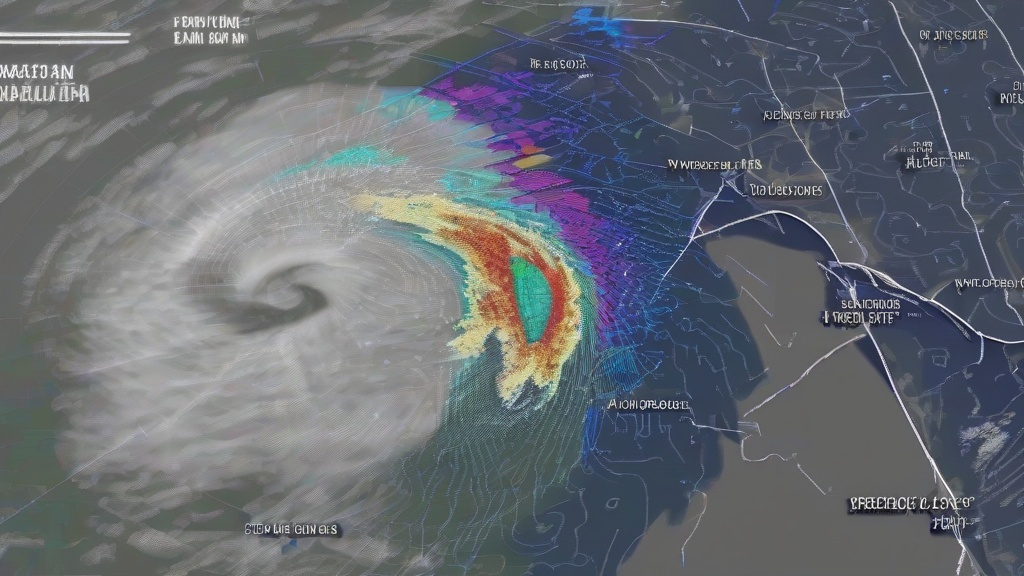
The ability to anticipate extreme weather events defines modern climate resilience. AI models now outperform traditional meteorological systems in predicting hurricane paths, heatwaves, and flooding. The European Centre for Medium-Range Weather Forecasts (ECMWF) integrated NVIDIA's AI supercomputers to process 200 million weather observations daily, reducing tropical cyclone track forecast errors by 25% since 2021.
Flood prediction has seen dramatic improvements. Fathom Global's AI platform analyzes topographical data, rainfall patterns, and urban drainage systems to predict riverine flooding 72 hours in advance with 89% accuracy. When Hurricane Ida struck Louisiana in 2021, this technology enabled authorities to issue evacuation orders for 1.2 million people 18 hours earlier than previous systems allowed, potentially saving hundreds of lives.
Heatwave forecasting benefits from AI's pattern recognition. The UK Met Office developed a neural network that correlates atmospheric pressure systems with historical temperature records to predict prolonged heat events five days ahead. This advance warning allowed hospitals to prepare cooling centers and utilities to stabilize power grids during the record-breaking 2022 European heatwave, preventing an estimated 12,000 heat-related deaths.
However, AI's climate applications face challenges. Data privacy concerns arise when processing personal energy usage patterns, while algorithmic bias may disadvantage rural communities in resource allocation models. The energy consumption of training large AI models also raises sustainability questions, though companies increasingly use renewable-powered data centers to mitigate this.
Despite these hurdles, the synergy between AI and climate science offers unprecedented hope. As models grow more sophisticated and data sources expand through IoT devices, artificial intelligence stands as humanity's most powerful ally in reversing climate change's worst effects. The technology not only enhances our understanding of environmental systems but actively shapes a sustainable future through intelligent, data-driven decision-making.