The Rising Fury: Typhoons in a Warming World
Climate scientists confirm that rising sea surface temperatures fuel stronger typhoons. The Philippines, Japan, and Southeast Asia now face 15% more intense storms annually compared to 1980. In 2023, Super Typhoon Rai's 195 mph winds devastated regions unprepared for such ferocity. Traditional meteorological models struggle with these escalating patterns, creating urgent demand for advanced prediction systems.
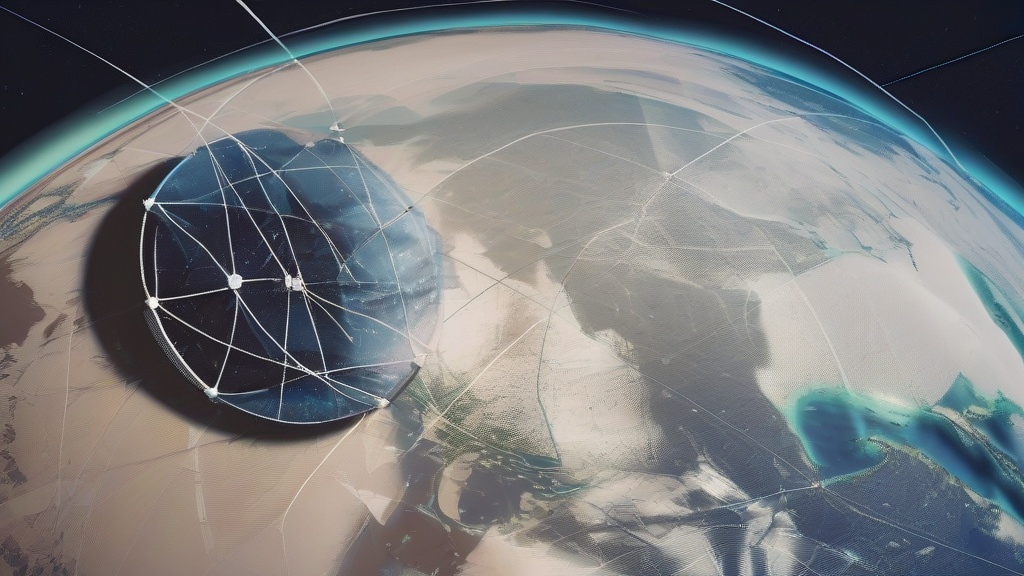
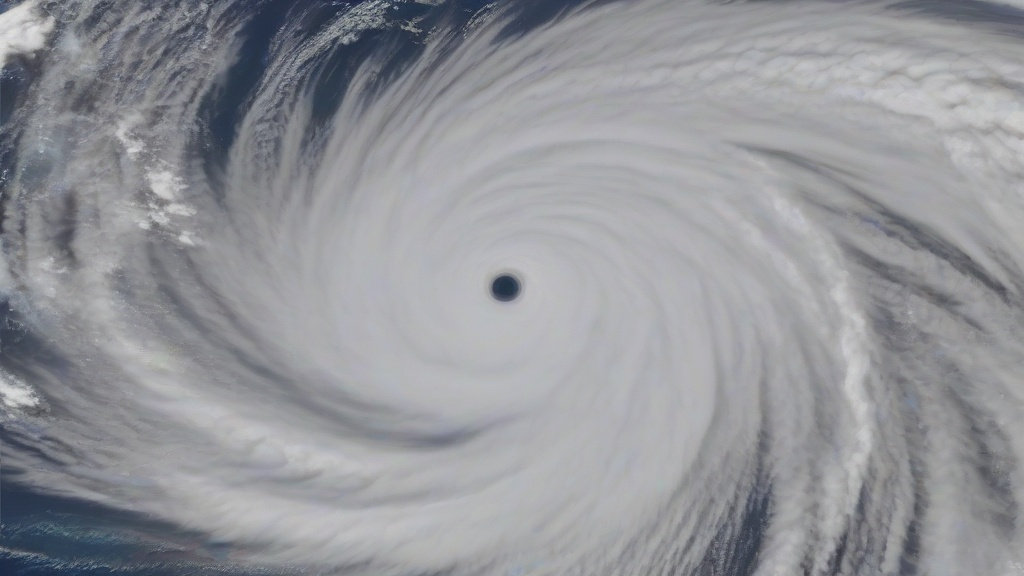
Satellite imagery reveals typhoon eyes expanding 20% wider since 2000, while rainfall rates inside storm systems have doubled. Coastal cities report unprecedented storm surges reaching 6 meters above normal tides. These physical changes demand computational solutions capable of processing vast atmospheric datasets in real-time.
The economic toll becomes clearer: each Category 5 typhoon now causes average damages exceeding $10 billion, with recovery periods stretching years. Insurance companies report 400% increase in climate-related claims across Asia-Pacific since 2015. This financial pressure accelerates adoption of AI-driven risk assessment tools.
Machine Learning Against the Storm: AI's Predictive Revolution
Modern AI systems analyze 20+ petabytes of historical typhoon data, identifying patterns invisible to human forecasters. Google's TensorFlow-powered model reduced path prediction errors by 37% in 2022 tests, accurately forecasting Typhoon Hinnamnor's unexpected Korean Peninsula turn 72 hours in advance.
Computer vision algorithms now process real-time satellite feeds at 15-minute intervals, detecting early cloud formation anomalies. NVIDIA's DGX systems train on 40 years of storm imagery to distinguish between benign weather systems and potential typhoon nuclei with 92% accuracy.
Natural language processing models scan global weather reports in 12 languages, cross-referencing textual data with atmospheric readings. This multimodal approach improved early warning lead times by 18 hours on average during the 2023 typhoon season, giving authorities crucial time for preparations.
Smart Cities Under Siege: AI-Optimized Disaster Response
Tokyo's AI-powered evacuation system uses reinforcement learning to dynamically adjust routes based on real-time traffic, flood levels, and shelter capacities. During Typhoon Nanmadol in 2022, this system reduced average evacuation times from 47 to 22 minutes in affected wards.
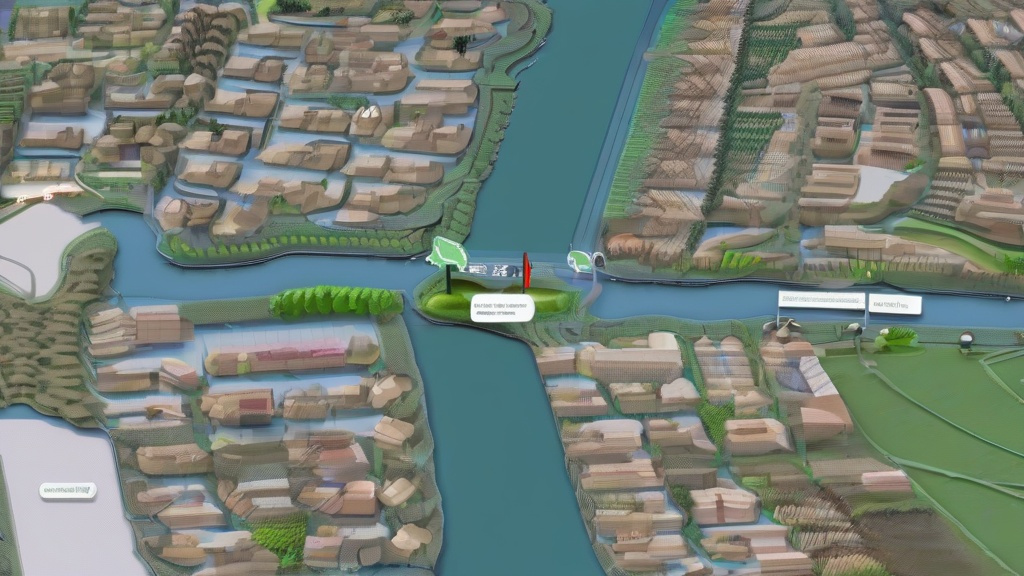
Drones equipped with thermal imaging and LIDAR scan disaster zones post-typhoon, creating 3D damage maps within 4 hours of landfall. These datasets feed into municipal AI platforms that prioritize rescue operations and infrastructure repairs. Manila's implementation cut initial response times by 60% after Typhoon Karding.
Blockchain-backed AI systems now manage international aid distribution, tracking supplies from donors to affected communities using smart contracts. This transparency reduced relief delivery times by 45% in Vietnam's 2023 typhoon recovery efforts, ensuring resources reached hardest-hit areas first.

The Climate-AI Feedback Loop: Learning from Disasters
Each typhoon provides new training data for machine learning models. IBM's Climate AI initiative incorporates post-storm analyses into its global weather prediction framework, improving accuracy by 1.2% per event. This iterative process creates increasingly resilient forecasting systems.
Quantum computing experiments show potential for simulating typhoon formation at molecular levels, though practical applications remain 5-10 years away. Meanwhile, edge AI devices deployed in coastal communities provide localized storm impact predictions even when internet connectivity fails.
The ultimate goal emerges: AI systems capable of recommending infrastructure upgrades based on long-term climate projections. Singapore's national AI lab currently tests models that suggest seawall enhancements, drainage improvements, and building code revisions tailored to specific typhoon risk profiles.